


Travelling on a weak Passport means extra paperwork, extra waiting, and extra planning that stronger passport holders simply never think about. But it doesn’t mean travel is out of reach, it just means the process looks different.
What Actually Makes A Passport Weak Or Strong
A passport’s strength is measured by how many countries you can enter without needing a visa in advance. This isn’t about the quality of the passport book itself, it’s purely about diplomatic agreements between countries.
- Strong passports offer visa free or visa on arrival access to over 150 countries
- Weak passports might only offer visa free access to 30 to 50 countries
- The difference comes from political relationships, not the traveler’s personal history
- Passport strength can change year to year based on new agreements or conflicts
- Some passports are stronger for certain regions but weaker for others
A visa consultant I spoke with once explained it simply: “Passport strength has nothing to do with you as a person. It’s entirely about which government your passport comes from and what deals that government has made with others.”
General Travelling On A Weak Passport Strength Categories
| Category | Visa Free Access | Example Situation |
|---|---|---|
| Strong | 150 plus countries | Minimal advance planning needed |
| Medium | 80 to 150 countries | Some regions need advance visas |
| Weak | 30 to 80 countries | Most major regions need visas |
| Very restricted | Under 30 countries | Almost every trip needs a visa |
Knowing exactly where your passport falls helps set realistic expectations before you even start planning a trip.
The Emotional Side Nobody Talks About

Before we get into practical tips, let’s be honest about something most travel articles skip completely. Traveling with a weak passport comes with real frustration, and pretending otherwise isn’t helpful.Before we get into practical tips, let’s be honest about something most travel articles skip completely. Traveling with a weak passport comes with real frustration, and pretending otherwise isn’t helpful.
- Watching friends book last minute trips while you need weeks of preparation feels unfair
- Getting rejected for a visa after paying fees is genuinely disappointing
- Being asked extra questions at borders that other travelers don’t face is exhausting
- Constantly explaining your situation to airlines or embassy staff gets tiring
- Feeling like your passport limits your dreams is a real emotional weight many travelers carry
Acknowledging this honestly matters, because pretending it’s all the same as traveling with a strong passport isn’t truthful or helpful to anyone dealing with this reality.
Building A Visa Timeline That Actually Works
The single biggest mistake weak passport holders make is not starting the visa process early enough. Some visas take weeks, and a few can take months depending on the country and current backlog.
| Visa Type | Typical Processing Time | When To Start |
|---|---|---|
| Simple tourist visa | 1 to 3 weeks | At least one month before |
| Schengen visa | 2 to 4 weeks | Six weeks before travel |
| US tourist visa | Weeks to months for interview slots | Three to six months before |
| UK visa | 3 weeks standard, longer for priority | Two months before |
| Multiple country visas | Varies heavily by combination | As early as possible |
Starting early isn’t just a suggestion, it’s often the difference between actually taking the trip and missing it entirely due to processing delays.
The Real Cost Of Visa Applications
This is something that catches a lot of first time travelers off guard. Visa fees aren’t just one flat cost, they often include several layers of expense.
- The actual visa application fee charged by the embassy or consulate
- Service fees if you’re using a visa processing agency
- Travel costs to reach an embassy if there isn’t one in your home city
- Proof of funds requirements that might mean showing a certain bank balance
- Travel insurance that’s mandatory for certain visa types like Schengen
Rough Visa Cost Breakdown Example
| Cost Type | Approximate Range |
|---|---|
| Application fee | 50 to 160 dollars depending on country |
| Service or agency fee | 20 to 50 dollars if used |
| Travel insurance | 30 to 80 dollars for trip duration |
| Photo and document costs | 10 to 20 dollars |
| Travel to embassy if needed | Varies heavily by distance |
These numbers add up fast, and it’s honest to say that visa costs alone can sometimes rival the cost of the flight itself for certain destinations.
Documents You’ll Almost Always Need
While every embassy has slightly different requirements, there’s a core set of documents that shows up again and again across most visa applications.
- Passport with enough blank pages and validity beyond your return date
- Recent passport style photos meeting specific size and background requirements
- Proof of accommodation for the entire trip duration
- Return flight ticket or proof of onward travel
- Bank statements showing sufficient funds for the trip
- Employment letter or proof of income source
- Travel insurance covering the entire trip period
- Invitation letter if visiting friends, family, or for business purposes
Keeping digital and physical copies of all these documents organized in one place saves enormous stress when you’re applying for multiple visas close together.
Common Mistakes Weak Passport Holders Make
Let’s go through the mistakes I’ve personally made or seen other travelers make repeatedly with visa heavy trips.
Applying Too Close To The Travel Date
Waiting until a month before travel for a visa that typically takes six weeks means either paying rushed processing fees or missing the trip entirely.
Not Checking Passport Validity Rules
Many countries require your passport to be valid for six months beyond your return date, and getting rejected at the airport for this reason is completely avoidable.
Booking Non Refundable Flights Before Visa Approval
Buying a non refundable ticket before knowing if your visa will be approved is a risk that has burned many travelers financially.
Underestimating Proof Of Funds Requirements
Assuming your bank balance is “probably fine” without checking exact requirements often leads to unnecessary rejections.
Not Keeping A Paper Trail Of Previous Travel
Countries with heavier visa scrutiny often want to see a history of responsible travel, and not keeping old visa stamps or travel records can work against you.
Mistakes And Practical Fixes
| Mistake | Consequence | Fix |
|---|---|---|
| Applying too late | Missed trip or rush fees | Start process weeks or months early |
| Ignoring validity rules | Denied boarding at airport | Check six month rule before booking |
| Booking before approval | Financial loss if denied | Wait for approval or book refundable |
| Underestimating funds needed | Application rejection | Check exact required balance |
| No travel history kept | Extra scrutiny on new applications | Keep old passports and records |
Which Regions Are Usually Hardest For Weak Passports
Being honest here matters, since some regions are genuinely more difficult than others regardless of how well you prepare.
| Region | Difficulty Level | Notes |
|---|---|---|
| Schengen Europe | High | Strict documentation, in person appointments often required |
| United States | High | Interview based, long wait times common |
| United Kingdom | Medium to high | Detailed financial proof required |
| Southeast Asia | Low to medium | Many countries offer visa on arrival |
| South America | Low to medium | Growing number of visa free agreements |
| Gulf Countries | Medium | Varies significantly by nationality |
Knowing this ahead of time helps set realistic trip planning timelines instead of being caught off guard by unexpected difficulty in certain regions.
Building A Smarter Travel Route
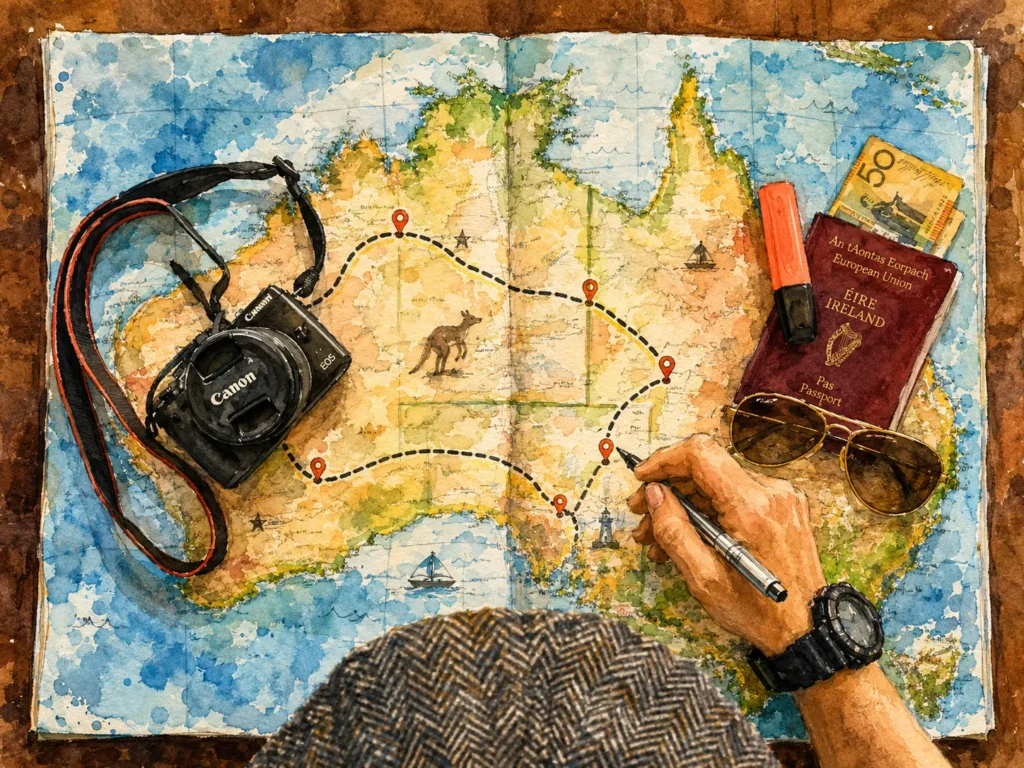
One underrated strategy for weak passport holders is planning routes based on visa difficulty rather than just picking destinations randomly.
- Group countries within the same visa zone together in one trip
- Research which passport stamps might help future visa applications look stronger
- Consider countries with easier visa on arrival policies as a starting point for building travel history
- Avoid combining multiple high scrutiny visa applications in a short time period
- Build travel history gradually with easier destinations before attempting harder ones
A travel visa specialist once told me, “Weak passport holders who build up a solid travel history with easier countries first often find their harder visa applications get approved more smoothly later on.”
The Value Of Travel History
This is genuinely one of the most helpful insights for weak passport holders that doesn’t get discussed enough. Visa officers often look favorably on applicants who show a pattern of responsible previous travel.
- Previous visas used properly, without overstaying, build trust
- Multiple entry and exit stamps show a pattern of returning home as planned
- Visits to countries with strict entry requirements can strengthen future applications
- A completely empty passport with no travel history often faces more scrutiny
- Building this history takes time, so starting with accessible destinations matters
This means your very first international trips matter more than you might realize, since they start building a track record that affects every future visa application.
Using Visa On Arrival And E-Visa Countries Wisely
Not every trip requires the stressful embassy visit and interview process. Many countries offer simpler visa on arrival or electronic visa options that weak passport holders should take real advantage of.
- Research which countries offer e-visas specifically for your nationality
- Apply for e-visas well before travel even if they’re processed quickly, to avoid last minute issues
- Keep printed copies of e-visa approvals, since not all border officials trust digital only versions
- Double check the exact validity window, since some e-visas expire faster than expected
- Use visa on arrival countries to build travel history for future harder applications
Visa Types Explained Simply
| Visa Type | What It Means | Best For |
|---|---|---|
| Visa free | No visa needed at all | Easiest travel option |
| Visa on arrival | Get visa at the airport itself | Simple, minimal advance planning |
| E-visa | Apply online before travel | Convenient, avoid embassy visits |
| Traditional visa | Apply through embassy in advance | Required for stricter countries |
Dealing With Visa Rejections
Rejection happens, and it’s honestly more common for weak passport holders than most travel content admits. Knowing how to handle it matters just as much as knowing how to apply.
- Always ask for the specific reason for rejection if the embassy provides one
- Fix the exact issue mentioned before reapplying, rather than just resubmitting the same application
- Consider using a visa agency for complex reapplications if you’ve been rejected before
- Don’t take rejection personally, since it often relates to documentation rather than character
- Keep applying for the right destinations rather than giving up entirely after one rejection
Financial Planning For Visa Heavy Travel
Since visa costs and requirements add real expense, building this into your travel budget from the very beginning avoids nasty surprises later.
| Budget Category | What To Include |
|---|---|
| Visa fees | All application and service costs |
| Travel insurance | Often mandatory for visa approval |
| Bank statement buffer | Keep required balance for weeks before applying |
| Document costs | Photos, printing, notarization if needed |
| Backup flight costs | In case rebooking is needed after delays |
Building at least fifteen to twenty percent extra into your travel budget specifically for visa related costs is a realistic and honest recommendation for weak passport holders.
How To Choose Countries That Actually Welcome You
Instead of feeling limited by a weak passport, some travelers find real joy in choosing destinations based specifically on where they’re genuinely welcomed without excessive hassle.
- Research passport index websites regularly, since visa rules change often
- Consider destinations actively trying to increase tourism with relaxed visa policies
- Look into regional travel unions that might offer easier movement within member countries
- Follow travel forums specific to your nationality for updated, real experiences from other travelers
- Don’t limit yourself only to popular destinations, since many wonderful places have easier entry requirements
Building A Realistic Trip List
| Step | What To Do |
|---|---|
| Check current visa index | Confirm which countries are visa free right now |
| Group by region | Plan trips around visa zones rather than random cities |
| Research seasonal changes | Some countries loosen or tighten visa rules seasonally |
| Ask recent travelers | Forums often reveal real, current experiences |
| Build gradually | Start easier, build history before harder destinations |
Honest Advice For Weak Passport Travelers
If there’s one piece of honest advice I can give, it’s this. Don’t compare your travel journey to someone with a stronger passport, since the process is genuinely different and comparing only leads to frustration.
Focus on building your travel history steadily, starting with countries that welcome you easily. Each stamp in your passport, even from a simple visa free country, adds real value toward future harder applications.
Also, budget both extra time and extra money specifically for visas, since treating these as afterthoughts rather than core parts of your trip planning leads to unnecessary stress and sometimes missed trips entirely.
Most importantly, don’t let passport strength define your sense of possibility. Millions of travelers with weak passports still see incredible parts of the world every single year, it just requires more patience and planning than others might need.
FAQs
How do I know if my passport is considered weak or strong?
Ans: Passport index websites rank passports based on visa free access, updated regularly, giving you an accurate current picture of where your specific passport stands.
Can a weak passport ever become stronger over time?
Ans: Yes, passport strength changes based on new diplomatic agreements between countries, so rankings can shift year to year without any action needed from individual travelers.
Does having a rejected visa hurt future applications?
Ans: It can add scrutiny, but a properly explained rejection with fixed documentation for future applications usually doesn’t permanently damage your travel history.
Is it worth using a visa agency instead of applying myself?
Ans: For complex visas or after previous rejections, agencies can help navigate specific requirements, though they add extra cost to the overall process.
How early should I start planning a visa heavy multi country trip?
Ans: For multiple visas, especially difficult ones, starting three to six months in advance gives enough buffer time for processing and potential delays.
Do I need travel insurance for every visa application?
Ans: Not every visa requires it, but many strict visa types like Schengen specifically require proof of travel insurance covering your entire trip duration.
Can building travel history really help future visa approvals?
Ans: Yes, a pattern of responsible previous travel with proper visa use and timely returns generally works in favor of future visa applications.
What should I do if my visa gets rejected right before a planned trip?
Ans: Contact the embassy for the specific reason, check if reapplication is possible quickly, and always have a backup plan or flexible flight option ready for visa heavy trips.