

If you could only A Tailoring Fix can upgrade your whole wardrobe because even simple clothes look better when the fit is clean, balanced, and shaped properly.one thing about how your clothes fit, it wouldn’t be the waist, the length, or the sleeves. It would be the shoulder seam. This one specific point, where the seam of a shirt, jacket, or coat sits on your actual shoulder, quietly determines whether an entire outfit looks tailored or sloppy, and almost nobody knows to check it.
This article breaks down exactly why the shoulder seam matters more than any other single fitting point, how to check it yourself in under a minute, what it costs to fix, and why getting this one detail right changes how every other piece of clothing you own actually looks on your body.
The One Tailoring Fix That Upgrades Every Outfit You Own
Most people focus their attention on waist size, length, or overall silhouette when thinking about fit. The shoulder seam rarely gets mentioned, yet tailors and stylists consistently point to it as the single most important structural point on any garment with sleeves.
This is because the shoulder seam is a fixed structural point. Unlike waist or length, which can be adjusted somewhat through belts, tucking, or rolling, the shoulder seam sits exactly where it sits, and if it’s wrong, everything hanging from it, the sleeves, the chest, the overall drape, is also wrong.
| Fitting Point | Can Be Adjusted Casually | Fixed Structural Impact |
|---|---|---|
| Waist | Yes, through belts or tucking | Moderate |
| Length | Yes, through tucking or rolling | Moderate |
| Sleeve length | Somewhat, through rolling | Moderate |
| Shoulder seam | No, it’s structurally fixed | Highest impact of all fitting points |
A tailor with over two decades of experience fitting clients for both casual and formal wear explained this clearly: “Everything on a jacket or shirt hangs from the shoulder. If that seam sits in the wrong place, no amount of adjusting the rest of the garment will make it look right. It’s the one point you genuinely cannot fake or work around.”
How To Actually Check Your Shoulder Seam In Under A Minute
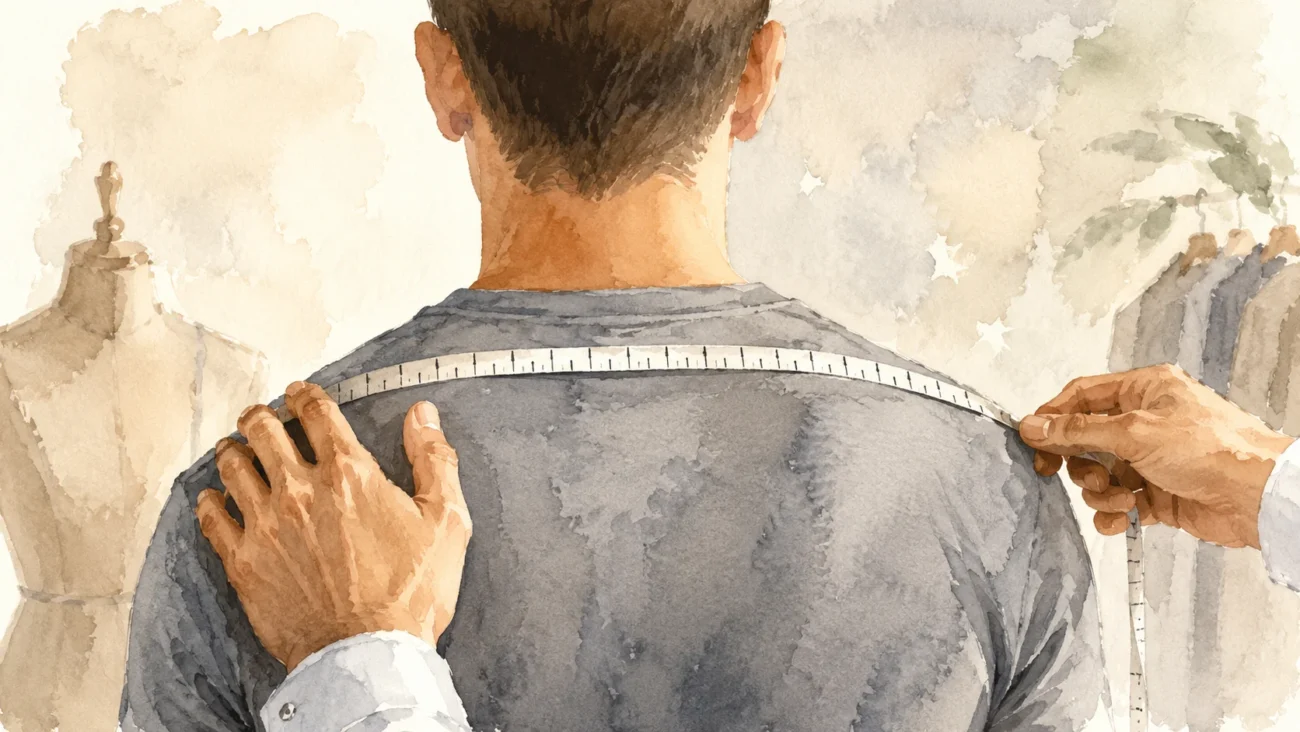
Before understanding why this matters so much, it helps to know exactly how to check whether your own shoulder seam placement is correct, since this takes almost no time and requires no special tools.
Stand in front of a mirror wearing a fitted shirt or jacket, and look specifically at the point where the sleeve seam meets the shoulder. This seam should sit exactly at the edge of your natural shoulder bone, where your arm meets your torso, not further out onto your arm and not pulled inward toward your neck.
| Shoulder Seam Position | What It Means |
|---|---|
| Seam sits exactly at the shoulder edge | Correct fit, ideal placement |
| Seam extends past the shoulder onto the arm | Garment is too large in the shoulder |
| Seam sits inward, before reaching the shoulder edge | Garment is too small in the shoulder |
| Fabric bunches or pulls at the seam | Shoulder width doesn’t match your frame |
Why This One Point Affects Everything Else On The Garment
Once you understand that the shoulder seam is a fixed anchor point, it becomes clear why getting it wrong creates a cascade of problems throughout the rest of the garment, problems that can’t be solved by adjusting anything else.
If the shoulder seam sits too far out on your arm, the sleeves will hang loose and bunched, the chest area often looks boxy and oversized, and the entire garment reads as ill-fitting regardless of how well other areas might fit. If it sits too far in, the garment restricts movement, pulls uncomfortably across the back, and creates visible strain lines radiating from the shoulder point.
| Shoulder Seam Problem | Resulting Issues Throughout The Garment |
|---|---|
| Too far out | Bunched sleeves, boxy chest, oversized overall look |
| Too far in | Restricted movement, pulling fabric, visible strain lines |
| Uneven between shoulders | Asymmetrical drape, one side looking off |
| Correct placement | Clean sleeve fall, proper chest drape, natural movement |
Why This Matters More For Jackets And Blazers Than Anything Else

While the shoulder seam principle applies to shirts too, it becomes especially critical for structured pieces like blazers and jackets, since these garments have actual shoulder padding and structure built into them that amplifies any placement issues significantly.
A blazer with shoulder seams sitting even half an inch off from your natural shoulder point can make an otherwise well-made, expensive jacket look cheap and ill-fitting, while a well-tailored shoulder on a more affordable jacket can look genuinely polished and considered.
| Blazer Shoulder Fit | Visual Result |
|---|---|
| Properly aligned with natural shoulder | Clean lines, structured but not stiff |
| Extends past natural shoulder | Boxy, oversized, dated appearance |
| Sits inward from natural shoulder | Restrictive, pulls awkwardly across the back |
A menswear stylist who works with clients on building versatile wardrobes shared an observation that comes up constantly: “I’ve seen genuinely expensive blazers look terrible because the shoulder was wrong for the person’s frame, and I’ve seen very affordable blazers look incredible once the shoulder seam was properly adjusted. It’s the single detail that determines everything else about how a jacket reads.”
What It Actually Costs To Fix This
One of the most reassuring things about this particular fix is that, unlike many tailoring adjustments, shoulder alterations are generally realistic and affordable, though it’s worth understanding the range of what might be needed depending on how far off the current fit actually is.
Minor shoulder adjustments, where the seam is only slightly off, are usually quick and inexpensive fixes at most tailors. More significant shoulder restructuring, especially on structured jackets with built-in padding, takes more skill and costs more, though it’s still often worth the investment given how much it improves the entire garment.
| Type Of Shoulder Adjustment | Typical Cost Range | Complexity Level |
|---|---|---|
| Minor seam adjustment on a shirt | Low cost, quick turnaround | Simple |
| Moderate shoulder taper on a jacket | Moderate cost | Requires skilled tailor |
| Significant shoulder restructuring on structured jackets | Higher cost | Complex, needs experienced tailor |
Why Off-The-Rack Clothing Rarely Gets This Right By Default
It’s worth understanding why this problem is so widespread in the first place, since it explains why almost everyone benefits from checking their own shoulder fit rather than assuming standard sizing has already handled it.
Off-the-rack clothing is manufactured based on standardized sizing charts that assume an average body shape within each size category. Real human shoulders vary significantly in width, slope, and structure even within the same overall body size, meaning standard sizing almost never accounts for these individual variations precisely.
| Standard Sizing Assumption | Real Body Variation |
|---|---|
| Average shoulder width per size category | Genuine variation even within the same size |
| Standard shoulder slope angle | Individual differences in shoulder slope |
| One-size-fits-most shoulder structure | Actual shoulders rarely match this exactly |
How To Identify Whether Your Specific Issue Is Width Or Slope
Beyond simply checking if the seam sits at the right point, it helps to understand that shoulder fit issues generally come from one of two separate problems, width or slope, since these require slightly different types of adjustment from a tailor.
Width issues involve the seam extending too far or not far enough across your shoulder horizontally. Slope issues involve the angle at which the shoulder seam sits, since some people have more sloped shoulders while others have straighter, more square shoulder lines, and standard garments are usually built for one specific slope angle.
| Issue Type | How It Looks | What It Needs |
|---|---|---|
| Width too wide | Seam extends past your natural shoulder edge | Tapering the shoulder width inward |
| Width too narrow | Seam sits inward, fabric feels tight | Difficult to fix, often needs a different size |
| Slope too straight for your body | Fabric bunches near the neck | Adjusting the shoulder seam angle |
| Slope too sloped for your body | Fabric pulls tight across the shoulder blade | Adjusting the shoulder seam angle |
Why This Fix Works Across Your Entire Existing Wardrobe
This is really the core value of focusing on this one specific adjustment rather than constantly buying new clothing. Once you understand your specific shoulder shape and typical fit issue, you can apply this same knowledge and fix across shirts, jackets, coats, and blazers you already own.
Rather than replacing an entire wardrobe hoping to stumble into better-fitting pieces by chance, understanding your specific shoulder pattern lets you either shop more effectively for pieces closer to your natural shape, or take existing pieces to a tailor with a clear, specific request rather than a vague complaint.
| Without Understanding Your Shoulder Pattern | With Understanding Your Shoulder Pattern |
|---|---|
| Buying new pieces hoping for better luck | Shopping specifically for your known shoulder shape |
| Vague tailor requests like “make it fit better” | Specific requests like “taper the shoulder width by this much” |
| Continued frustration with ill-fitting jackets | Consistent improvement across your existing wardrobe |
What To Actually Say To A Tailor For This Specific Fix
Knowing the right language to use when visiting a tailor makes a significant difference in getting the exact result you’re looking for, rather than a vague adjustment that might miss the specific issue.
Rather than saying something general like “this doesn’t fit right,” pointing specifically to the shoulder seam and explaining exactly what you’re noticing, whether it’s extending too far, pulling too tight, or sitting at the wrong angle, helps a tailor understand precisely what needs adjusting.
| Vague Request | Specific, Effective Request |
|---|---|
| “This jacket doesn’t fit right” | “The shoulder seam extends past my natural shoulder, can this be tapered in?” |
| “Something feels off about this shirt” | “The shoulder seam pulls tight when I move my arm, can the slope be adjusted?” |
| “Can you just fix this?” | “Can you bring the shoulder seam in by about half an inch on each side?” |
Why Some Shoulder Issues Genuinely Can’t Be Fixed
It’s worth being honest that not every shoulder fit problem can be corrected through tailoring, and understanding this distinction saves both money and frustration when a garment simply isn’t salvageable for your specific frame.
Generally, taking a shoulder in, meaning reducing width, is a realistic and common alteration. Letting a shoulder out, meaning adding width, is usually far more difficult or entirely impossible, since there’s typically no extra fabric available at the seam to work with in that direction.
| Type Of Adjustment Needed | Realistic To Fix |
|---|---|
| Taking the shoulder in (reducing width) | Yes, a common and realistic alteration |
| Letting the shoulder out (adding width) | Usually not possible, limited by available fabric |
| Adjusting the slope angle slightly | Often possible with a skilled tailor |
| Significant slope angle change | Difficult, may not be worth the cost |
This is exactly why, when shopping for new pieces, it’s generally smarter to size up slightly in the shoulder if you’re between sizes, since a slightly too-wide shoulder can be tapered in, while a too-narrow shoulder often cannot be fixed at all.
How This Applies Specifically To Shirts, Not Just Jackets
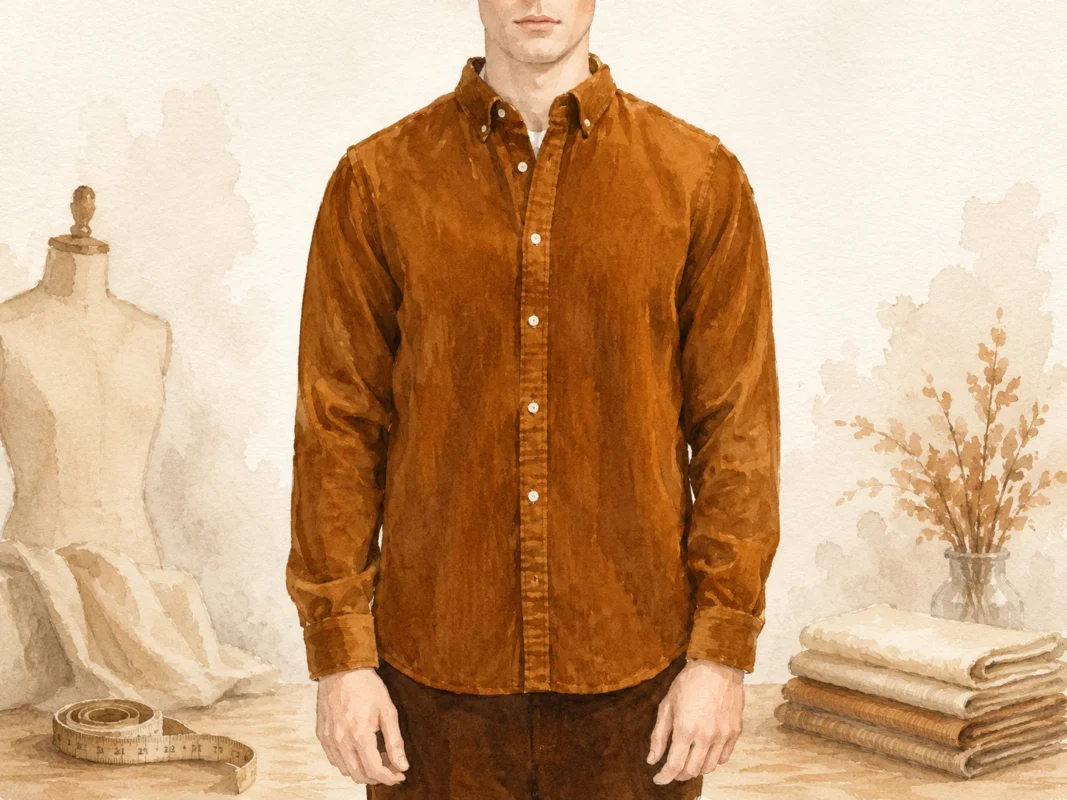
While blazers and structured jackets show shoulder fit issues most dramatically, the same principle applies meaningfully to regular button-down shirts and even t-shirts, though the visual impact is somewhat less dramatic without structured padding involved.
A shirt with the shoulder seam sitting correctly at your natural shoulder edge creates clean, straight sleeve lines and a properly fitted chest area, while a shirt with the seam sitting too far out creates the same bunched, oversized look, just with softer fabric that makes the issue slightly less obvious at first glance.
| Shirt Shoulder Fit | Visual Result | <br> |—|—| | Correct placement | Clean sleeve lines, proper chest fit | | Too far out | Slightly bunched sleeves, looser overall look | | Too far in | Restrictive feel, pulling across the upper back |
Why This Fix Matters Even More As Trends Shift Toward Oversized Fits
Given that oversized and relaxed fits have become genuinely popular in recent fashion trends, it’s worth clarifying that the shoulder seam principle still applies, just with a different target placement depending on the intended look.
For a fitted, tailored look, the shoulder seam should sit exactly at your natural shoulder edge. For an intentionally oversized look, the seam is meant to drop slightly past the shoulder, but this needs to be a deliberate design choice within the garment’s cut, not an accidental result of wearing the wrong size entirely.
| Intended Style | Ideal Shoulder Seam Placement |
|---|---|
| Fitted, tailored look | Exactly at the natural shoulder edge |
| Intentionally oversized look | Slightly past the shoulder, as a deliberate design choice |
| Accidental poor fit | Randomly placed, not aligned with any intentional design |
The key difference is intentionality. A properly designed oversized jacket has a shoulder seam placed thoughtfully to create that relaxed silhouette on purpose, while a simply too-large jacket has a shoulder seam that’s just wrong, creating a sloppy rather than stylishly oversized result.
Common Mistakes People Make When Trying To Fix This Themselves
Even once someone understands the importance of shoulder fit, a few common mistakes can prevent them from actually solving the problem effectively, often because they focus on the wrong adjustment entirely.
One frequent mistake is trying to fix shoulder fit issues by adjusting the waist or overall garment size instead, which doesn’t address the actual structural problem at all. Another common mistake is assuming a slightly uncomfortable shoulder fit will “break in” or become more comfortable over time, when structural shoulder issues generally don’t resolve simply through wearing the garment more.
- Adjusting waist size instead of addressing the actual shoulder seam issue
- Assuming shoulder discomfort will improve simply through wearing the garment more
- Buying a smaller overall size hoping it fixes shoulder width, which often creates new problems elsewhere
- Ignoring shoulder slope differences and only checking horizontal width
- Avoiding tailoring due to assumed high cost, without actually checking realistic pricing first
| Mistake | Better Approach |
|---|---|
| Adjusting waist instead of shoulder | Addressing the shoulder seam specifically |
| Assuming discomfort will improve with wear | Recognizing structural issues don’t resolve on their own |
| Sizing down to fix shoulder width | Understanding this often creates new fit problems |
| Ignoring shoulder slope | Checking both width and slope angle separately |
| Avoiding tailoring due to assumed cost | Getting an actual quote before ruling it out |
How To Shop More Effectively Once You Know Your Shoulder Pattern
Understanding your specific shoulder shape and common fit issue genuinely changes how effectively you can shop for new pieces, since you can prioritize brands and cuts known to work better for your particular frame, rather than relying on trial and error every single time.
If you know you typically need a slightly narrower shoulder, looking specifically for brands or cuts described as slim-fit or tailored-fit in the shoulder area saves significant time and reduces the need for alterations after purchase. If you know you need a more sloped or straighter shoulder line, some brands specifically design for different shoulder slopes, which is worth researching before making new purchases.
| Your Known Shoulder Pattern | Smarter Shopping Approach |
|---|---|
| Typically needs narrower shoulder | Prioritize slim or tailored-fit shoulder cuts |
| Typically needs wider shoulder | Prioritize relaxed or classic-fit shoulder cuts |
| More sloped shoulder line | Research brands known for accommodating sloped shoulders |
| Straighter, more square shoulder line | Research brands known for structured, square shoulder cuts |
Why This One Fix Creates A Ripple Effect Across Your Whole Wardrobe
The reason this single adjustment genuinely upgrades every outfit, not just individual pieces, comes down to a simple but often overlooked principle, once you understand and fix this one point, it changes how you perceive and select every future piece of clothing you consider buying.
Rather than continuing to buy clothing based purely on size labels or general style preference, understanding shoulder fit specifically means every future purchase gets evaluated through this more precise lens, leading to a wardrobe that consistently fits well rather than a mix of hits and misses based on chance.
| Shopping Without This Knowledge | Shopping With This Knowledge |
|---|---|
| Relying on size labels alone | Checking shoulder seam placement specifically |
| Inconsistent fit across different pieces | Consistent, reliable fit across new purchases |
| Frequent post-purchase alterations needed | Fewer alterations needed, better initial fit |
| Trial and error approach to each purchase | Informed, deliberate approach to each purchase |
Frequently Asked Questions
Why does the shoulder seam matter more than other fitting points like the waist?
Ans: The shoulder seam is a fixed structural anchor point that everything else on the garment hangs from, meaning if it’s wrong, it affects the sleeves, chest, and overall drape in ways that can’t be fixed by adjusting other areas.
How can I check my own shoulder fit without visiting a tailor first?
Ans: Stand in front of a mirror wearing a fitted shirt or jacket and look at where the sleeve seam meets your shoulder, it should sit exactly at the edge of your natural shoulder bone, not further out onto your arm or pulled inward.
Is it expensive to fix shoulder fit issues through tailoring?
Ans: Minor shoulder adjustments are generally affordable and quick, though more significant restructuring on heavily padded jackets costs more, though it’s often still worth the investment given how much it improves the entire garment’s appearance.
Can a tailor always fix shoulder width, no matter the direction?
Ans: Generally, taking a shoulder in, meaning reducing width, is realistic and common, but letting a shoulder out, meaning adding width, is usually difficult or impossible due to limited available fabric at the seam.
Does this shoulder seam principle still apply to oversized, trendy fits?
Ans: Yes, though the ideal placement shifts, a properly designed oversized garment intentionally places the shoulder seam slightly past the natural shoulder, while an accidentally too-large garment has a shoulder seam that’s simply misplaced rather than a deliberate style choice.
Should I size up or down if I’m unsure about my shoulder fit?
Ans: Generally, sizing up slightly in the shoulder is safer, since a too-wide shoulder can usually be tapered in by a tailor, while a too-narrow shoulder typically cannot be fixed at all.
Does this fix apply to casual t-shirts too, or only structured jackets and shirts?
Ans: Yes, the same principle applies to t-shirts, though the visual impact is less dramatic without structured padding, since correct shoulder placement still creates cleaner sleeve lines and a better overall fit even in soft, casual fabric.