


You know that feeling when you open a dating app, swipe through ten profiles without really looking at any of them, and close it thirty seconds later feeling worse than before you opened it.Intentional Dating becomes important when dating apps start feeling exhausting, confusing, or repetitive, and you want more honest, meaningful connections. That’s not you being bad at dating. That’s dating app burnout, and it’s an incredibly common, well documented reaction to how these apps are actually built.
This article breaks down exactly why dating apps burn people out so effectively, what dating intentionally actually means in practice, and how to date in a way that doesn’t leave you emotionally drained after every single interaction. This isn’t about quitting dating altogether. It’s about doing it differently, on your own terms, in a way that actually leads somewhere.
What Dating App Burnout Actually Feels Like
Burnout from dating apps doesn’t always look dramatic. It usually shows up as small, quiet signs that build up over weeks or months without you fully noticing until you’re deep into it.
You might notice yourself swiping without really reading profiles, feeling a flash of dread before opening the app rather than excitement, or matching with someone and immediately losing interest in continuing the conversation. None of these feel like a big crisis individually, but together they paint a clear picture.
| Sign of Burnout | What It Looks Like |
|---|---|
| Swiping without really looking | Judging profiles in under two seconds, barely reading anything |
| Dread before opening the app | A small sigh or reluctance instead of curiosity |
| Losing interest right after matching | The excitement of a match fades within minutes |
| Comparing every date to a checklist | Meeting someone and mentally scoring them like an audit |
| Feeling emotionally flat during conversations | Going through the motions without genuine curiosity |
A dating coach who works specifically with people recovering from app fatigue described this pattern well: “Burnout doesn’t announce itself with a dramatic breakdown. It’s more like slowly noticing you’ve stopped actually seeing the person behind the profile, and started seeing profiles as a chore to get through instead.”
Why Dating Apps Are Genuinely Designed to Wear You Down
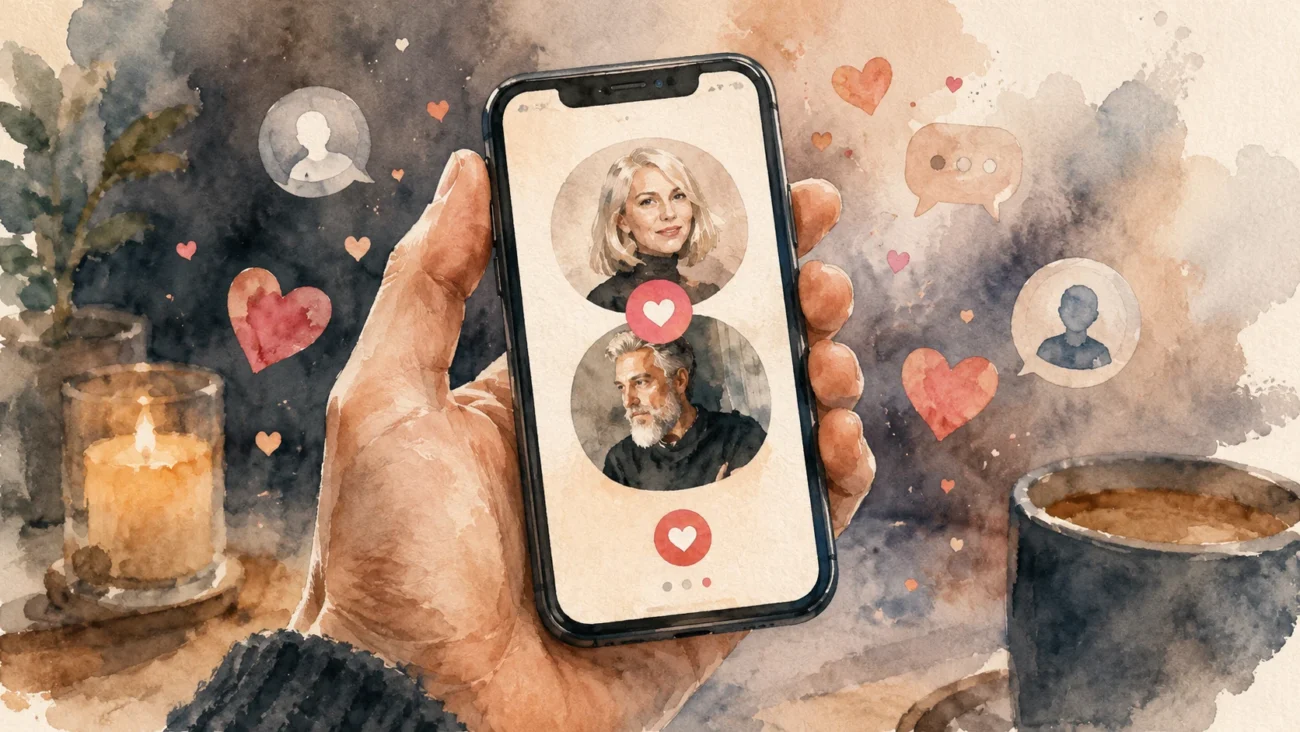
This isn’t just about personal bad luck or a string of disappointing dates. Dating apps are built using design patterns borrowed directly from slot machines and social media, specifically engineered to keep you swiping rather than to help you find a genuine match quickly.
The endless supply of new profiles creates something psychologists call the paradox of choice, where having too many options actually makes decision-making harder and less satisfying, not easier. Every swipe also triggers a small dopamine response, similar to a slot machine pull, which keeps you engaged with the app itself rather than genuinely invested in any one person.
| App Design Feature | Psychological Effect |
|---|---|
| Endless supply of new profiles | Paradox of choice, making commitment feel harder |
| Match notifications | Small dopamine hits that reward swiping, not connecting |
| Constant comparison between profiles | Treating people like options rather than individuals |
| Gamified elements like streaks or boosts | Encourages app engagement over relationship progress |
A behavioral psychologist who studies technology’s effect on relationships explained this clearly: “These apps are optimized for engagement, meaning the company benefits from you staying on the app longer, not necessarily from you finding someone and leaving. That’s an important distinction most users never consciously think about, but it shapes the entire experience.”
The Difference Between Dating Casually and Dating Intentionally
Before figuring out how to date intentionally, it helps to understand what that actually means, since it’s often misunderstood as simply “being serious” or “looking for marriage right away.”
Dating intentionally really means being clear with yourself about what you want, communicating that honestly, and making deliberate choices rather than passively scrolling and reacting to whoever shows up next. It’s a mindset shift more than a specific relationship goal.
| Casual, Reactive Dating | Intentional Dating |
|---|---|
| Swiping based on whoever appears next | Actively seeking specific qualities you value |
| Vague or unclear personal goals | Clear understanding of what you’re looking for |
| Going on dates just to “see what happens” | Going on dates with a genuine sense of curiosity and purpose |
| Avoiding honest conversations about intentions | Communicating what you want directly and early |
| Treating dating as an endless numbers game | Treating dating as a smaller, more meaningful process |
Why Quantity Over Quality Backfires So Badly
Dating apps train users to think more matches automatically mean more chances at success. In reality, this approach usually backfires, leading to shallow interactions and burnout rather than genuine connection.
Talking to fifteen people at once means giving each conversation only a fraction of your actual attention and energy. This spreads you thin, makes each interaction feel less meaningful, and ultimately makes it harder to build the kind of connection that leads anywhere real.
| Quantity-Focused Approach | Quality-Focused Approach |
|---|---|
| Matching with as many people as possible | Being selective about who you actually engage with |
| Giving each conversation minimal attention | Giving fewer conversations your full, genuine attention |
| Constant comparison between multiple people | Being present with one person at a time |
| Feeling scattered and exhausted | Feeling more energized and genuinely curious |
How to Actually Define What You Want Before Getting Back on the Apps
A huge part of dating intentionally involves getting clear on your own priorities before you even open an app again, rather than figuring it out reactively as matches come in.
Take some time to genuinely think about what matters to you in a partner and a relationship, separate from surface-level preferences like height or job title. Consider things like communication style, emotional availability, life goals, and how someone handles disagreement, since these tend to matter far more long-term than most surface-level dating app filters.
| Surface-Level Preference | Deeper Priority Worth Considering |
|---|---|
| Height or physical appearance | How they handle stress and communicate under pressure |
| Specific job title or income level | General ambition and shared values around work-life balance |
| Living in a specific neighborhood | Willingness to compromise on logistics for the right person |
| Similar taste in movies or hobbies | Genuine emotional availability and consistency |
A relationship coach who specializes in helping burned-out daters get back into the process shared a useful exercise: “I ask clients to write down the three things that ended their last few relationships or situationships, not to dwell on the past, but to identify patterns. Often, the answer isn’t about finding a ‘better’ person, it’s about being clearer earlier on what actually matters to them.”
Setting Boundaries With the Apps Themselves
Since dating apps are specifically designed to keep you engaged, protecting your energy means setting deliberate boundaries around how and when you use them, rather than letting them dictate your time and mood.
This might mean limiting app use to specific times of day, turning off notifications entirely, or setting a rule for yourself about how many new conversations you’ll start at once. These small structural changes can make a surprisingly big difference in how draining the whole process feels.
- Limiting app use to specific times of day rather than constant checking
- Turning off match and message notifications to reduce compulsive checking
- Capping the number of active conversations you’re having at once
- Setting a specific time limit for app use each day
- Taking full breaks from apps for a week or more when burnout feels high
| Boundary | Why It Helps |
|---|---|
| Specific times of day for app use | Prevents apps from bleeding into every free moment |
| Turning off notifications | Reduces compulsive checking and anxiety |
| Capping active conversations | Allows genuine attention on fewer people |
| Daily time limits | Protects your energy and mental space |
| Full breaks when needed | Allows genuine recovery from burnout |
Why Taking a Break From Apps Isn’t Giving Up
A lot of people feel guilty taking a break from dating apps, worried it means they’re giving up or falling behind somehow. In reality, a deliberate break is often exactly what allows someone to come back with genuine energy instead of exhausted obligation.
Burnout doesn’t heal by pushing through it. It heals by stepping away long enough to actually recover, similar to how physical exhaustion needs rest rather than more forced effort to resolve.
| Pushing Through Burnout | Taking an Intentional Break |
|---|---|
| Forcing continued swiping despite exhaustion | Stepping away until genuine curiosity returns |
| Going on dates out of obligation, not interest | Returning to dating with real enthusiasm |
| Feeling resentful of the process | Feeling refreshed and more present |
| Risk of projecting exhaustion onto dates | Showing up as your actual, genuine self |
Meeting People Outside the Apps Entirely
While apps aren’t inherently bad, they’re also not the only option, and many people find that stepping outside the app ecosystem entirely provides a welcome relief from burnout while still allowing genuine connection to happen.
Activities built around shared interests, like classes, clubs, volunteer work, or hobby groups, naturally create more relaxed, low-pressure environments to meet people, since the primary purpose isn’t dating itself. This tends to feel far less exhausting than the constant evaluation mode that apps encourage.
| App-Based Meeting | Interest-Based Meeting |
|---|---|
| Immediate evaluation based on photos and bios | Getting to know someone gradually through shared activity |
| High pressure from the start | Lower pressure, natural conversation over time |
| Constant comparison to other profiles | Meeting someone within a genuine, shared context |
| Exhausting after repeated exposure | Naturally sustainable and enjoyable regardless of dating outcome |
How to Actually Enjoy First Dates Again
Burnout often makes first dates feel like interviews rather than genuine interactions, which drains both people involved and rarely leads to a good outcome, even with someone who might have been a great match under different circumstances.
Shifting your mindset from “evaluating a candidate” to “getting genuinely curious about a person” can change the entire tone of a date. This isn’t about lowering your standards, it’s about approaching the interaction with actual presence instead of a mental checklist running in the background.
| Interview Mindset | Curiosity Mindset |
|---|---|
| Mentally checking boxes throughout the date | Genuinely listening and asking follow-up questions |
| Comparing them to previous dates in your head | Being present with this specific person |
| Feeling pressure to decide quickly | Allowing yourself to simply enjoy the conversation |
| Focused on outcome | Focused on genuine connection in the moment |
A dating coach who helps clients rebuild genuine interest after burnout shared a simple reframe that helps a lot of her clients: “Instead of asking yourself ‘is this person good enough,’ try asking ‘am I actually curious about this person right now.’ It’s a small shift, but it takes the pressure off both of you and usually leads to a much more genuine conversation.”
Recognizing When You’re Dating From Scarcity Versus Choice
Burnout often creates a subtle but important shift in mindset, where dating starts to feel like something you desperately need to succeed at, rather than something you’re genuinely choosing to participate in because you want to.
Dating from scarcity often looks like settling for red flags out of fear of being alone, rushing physical or emotional intimacy to secure interest quickly, or staying in lukewarm situations simply because ending them means going back to the exhausting apps. Dating from genuine choice looks like being willing to walk away from something that isn’t right, since you trust that better options exist and you’re not desperate to force any single connection to work.
| Dating From Scarcity | Dating From Genuine Choice |
|---|---|
| Ignoring red flags out of fear of being alone | Walking away from clear mismatches |
| Rushing intimacy to secure interest | Allowing natural pacing based on genuine comfort |
| Staying in lukewarm situations to avoid the apps | Ending things clearly when they’re not working |
| Feeling desperate for any match to work out | Feeling calm and unattached to any single outcome |
Common Mistakes People Make Trying to Date Intentionally
Even with good intentions, a few common mistakes can quietly undermine the whole effort, making intentional dating feel just as exhausting as the burnout it was meant to fix.
One frequent mistake is creating an overly rigid checklist of requirements, which can accidentally filter out genuinely great matches over minor, inflexible details. Another common mistake is confusing being intentional with being overly serious too quickly, which can create pressure that scares off potential matches who aren’t ready for that pace yet.
- Creating an overly rigid checklist that filters out good potential matches
- Confusing intentionality with rushing seriousness too quickly
- Still comparing every date to an idealized, unrealistic standard
- Bringing burnout energy into new interactions without addressing it first
- Expecting instant results simply because you’ve changed your mindset
| Mistake | Better Approach |
|---|---|
| Overly rigid checklists | Staying flexible on surface details, firm on core values |
| Rushing seriousness too fast | Allowing natural pacing, even while being intentional |
| Comparing to an idealized standard | Staying open to real, imperfect people |
| Bringing unresolved burnout into new dates | Taking a break first if burnout hasn’t actually healed |
| Expecting instant results | Understanding intentional dating still takes genuine time |
Why Slowing Down Actually Speeds Things Up
This sounds a little backwards, but it holds up consistently in practice. Slowing down your dating pace, seeing fewer people with more genuine attention, tends to lead to better outcomes faster than rushing through as many matches as possible.
When you’re not spread thin across a dozen shallow conversations, you have the actual mental and emotional space to notice real compatibility, red flags, and genuine chemistry, rather than missing these signals amid the noise of constant swiping and juggling multiple people at once.
| Rushed, High-Volume Approach | Slower, Intentional Approach |
|---|---|
| Missing subtle red flags amid the noise | Noticing important details clearly |
| Shallow understanding of multiple people | Genuine understanding of fewer people |
| Faster burnout, slower real progress | Slower pace, but faster genuine progress |
| Constant comparison and second-guessing | Clearer, more confident decision-making |
How to Communicate What You Want Without Scaring People Off
A common worry about dating intentionally is that being upfront about wanting something real might scare off matches or come across as too intense too soon. In reality, clear, calm communication tends to attract people looking for the same thing, while naturally filtering out those who aren’t.
The key is delivery. Stating your intentions calmly and matter-of-factly, without pressure or urgency, tends to land far better than bringing it up anxiously or too early in an intense way.
| Anxious, Pressured Delivery | Calm, Clear Delivery |
|---|---|
| “I need to know right away if you want something serious” | “I’m looking for something real, curious if that aligns with what you want too” |
| Bringing it up within the first few messages | Bringing it up naturally once some rapport exists |
| Sounding urgent or demanding | Sounding calm and simply honest |
| Creating pressure for an immediate answer | Allowing a natural, unpressured response |
What To Do When You Meet Someone Genuinely Promising
Once you actually connect with someone who seems like a real match, burnout patterns can still sneak back in, especially the instinct to rush things or overanalyze every small detail out of old habits.
Try to notice if you’re falling back into old scarcity-driven patterns, like overanalyzing every text or rushing to define the relationship prematurely. Instead, allow the connection to develop at its own natural pace, trusting the process rather than trying to control every outcome out of leftover anxiety from burnout.
| Old Burnout Habit Creeping Back | Healthier Approach |
|---|---|
| Overanalyzing every text message | Trusting the natural flow of conversation |
| Rushing to define the relationship early | Allowing things to develop naturally over time |
| Treating early promise as a guaranteed outcome | Staying grounded and present, without over-attaching too soon |
| Panicking over normal pauses in communication | Recognizing normal pacing instead of assuming the worst |
Building a Realistic Dating Routine That Doesn’t Drain You
Rather than an all-or-nothing approach, alternating between periods of active dating and intentional rest tends to work far better for long-term sustainability than either constant app use or complete avoidance.
Consider structuring your dating life in cycles, actively engaging for a few weeks, then taking a short break to recharge, rather than treating dating as something that needs constant, non-stop effort to succeed.
| Unsustainable Pattern | Sustainable Cycle |
|---|---|
| Constant, non-stop app engagement | Active periods followed by intentional breaks |
| Pushing through exhaustion indefinitely | Recognizing signs of burnout early and pausing |
| Treating any break as falling behind | Viewing breaks as a normal, healthy part of the process |
| All-or-nothing dating effort | A sustainable, cyclical rhythm that protects your energy |
Frequently Asked Questions
Is it normal to feel completely burned out from dating apps?
Ans: Yes, this is an extremely common reaction, largely because these apps are specifically designed using engagement techniques similar to social media and slot machines, not purely to help you find a match efficiently.
Does taking a break from dating apps hurt my chances of finding someone?
Ans: No, a genuine break to recover from burnout often leads to better outcomes afterward, since you return to dating with real energy and presence instead of exhausted obligation.
How do I know if I’m dating from scarcity instead of genuine choice?
Ans: Notice whether you’re ignoring red flags out of fear of being alone, or rushing intimacy just to secure someone’s interest, since these patterns often signal scarcity-driven dating rather than confident, intentional dating.
Will being upfront about wanting something serious scare people away?
Ans: Not if it’s communicated calmly and without pressure. Clear, honest communication tends to attract people looking for similar things, while naturally filtering out mismatched expectations early.
Is meeting people outside of dating apps actually more effective?
Ans: It’s not necessarily more effective in terms of numbers, but many people find it far less exhausting, since these interactions develop naturally through shared interests rather than immediate evaluation.
How long should a break from dating apps typically last?
Ans: There’s no fixed rule, but taking at least one to two weeks off when burnout feels significant is a reasonable starting point, extending the break further if genuine enthusiasm hasn’t returned yet.
What’s the biggest mindset shift needed to date intentionally after burnout?
Ans: Shifting from treating dates as evaluations or auditions toward approaching them with genuine curiosity about the actual person in front of you tends to make the single biggest difference in how sustainable and enjoyable the process feels.