

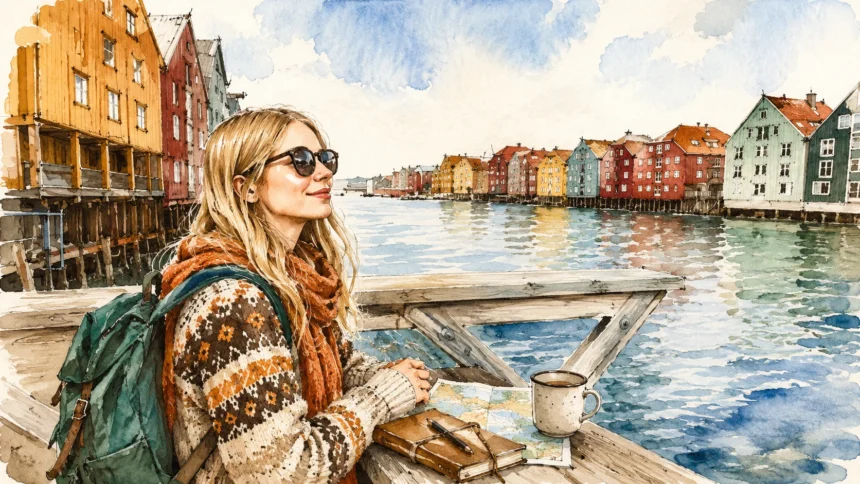
There’s a very specific moment that happens right before most solo trips, where you mention your plan to family or friends and watch their face shift into some version of concern, followed by a list of reasons this is a bad idea. This happens constantly, and it happens regardless of destination, gender, or experience level. This article breaks down why this reaction is so predictable, how to separate genuine safety concerns from projected fear, and how to actually plan a solo trip that goes forward despite everyone around you saying not to.
Why Everyone Reacts The Same Way When You Mention Solo Travel
Before figuring out how to move forward despite this pushback, it helps to understand why this reaction is so remarkably consistent across different families, cultures, and social circles, since recognizing the pattern makes it easier to respond to calmly rather than being derailed by it.
Most objections to solo travel come from a place of genuine care mixed with fear of the unknown, rather than actual informed risk assessment. People tend to project their own anxieties, media-fueled worst-case scenarios, or personal discomfort with solitude onto your specific trip, regardless of the actual statistical safety of your destination.
| Common Reaction | What’s Actually Driving It |
|---|---|
| “It’s not safe to travel alone” | General anxiety, often not based on specific destination research |
| “What if something happens to you” | Fear of the unknown, not actual risk data |
| “Why would you want to go alone” | Discomfort with solitude, projected onto your choice |
| “I read a story about something bad happening” | Media coverage bias toward rare, dramatic incidents |
A travel psychologist who studies solo travel decision-making explained this pattern clearly: “The people closest to you are reacting to their own fear response, not to actual data about your destination. Media coverage of rare, tragic incidents creates a distorted sense of danger that has almost nothing to do with the actual statistical safety of solo travel.”
The Difference Between Genuine Safety Concerns And Projected Fear
Learning to separate genuinely useful safety input from fear-based projection is probably the single most important skill for anyone planning a solo trip against pushback, since dismissing all concerns equally means missing real, useful advice buried within general anxiety.
Genuine safety concerns are usually specific, research-based, and actionable, like knowing which particular neighborhoods to avoid in a specific city. Projected fear tends to be vague, generalized, and rooted in worst-case scenario thinking rather than actual information about your specific destination and circumstances.
| Genuine Safety Concern | Projected Fear |
|---|---|
| “This specific neighborhood has higher reported crime, avoid it after dark” | “Something bad could happen anywhere, just don’t go” |
| “Check the current travel advisory for this specific region” | “I have a bad feeling about this in general” |
| “Solo female travelers often recommend avoiding this particular area” | “It’s just not safe for a woman to travel alone” |
| “Register with your embassy for this specific country” | “What if you get lost and nobody can help you” |
Why Solo Travel Statistics Rarely Match The Fear Around Them
Understanding actual data around solo travel safety helps provide grounded, factual responses to pushback, rather than relying purely on personal conviction when family or friends raise concerns.
Millions of people travel solo every year without incident, and the vast majority of safety issues that do occur happen due to identifiable, preventable factors, like walking alone in poorly lit areas late at night or ignoring local guidance, rather than the simple fact of traveling without companions. Solo travel itself isn’t inherently more dangerous, specific risky behaviors within any trip are what actually increase danger.
| Perceived Risk Factor | Actual Risk Reality |
|---|---|
| Traveling alone as a general concept | Not inherently more dangerous than traveling with others |
| Specific risky behaviors during a trip | The actual factor that increases danger, regardless of solo or group status |
| Destination choice | Matters more than solo status itself |
| Preparation and awareness | Significantly reduces risk regardless of travel companions |
How To Actually Respond When Someone Tells You Not To Go
Having a calm, prepared response ready for pushback makes these conversations significantly less draining, since reacting defensively or getting pulled into lengthy arguments about safety statistics rarely changes anyone’s mind and often just increases everyone’s stress.
A simple, confident acknowledgment of their concern followed by a brief mention of your actual preparation tends to work better than either dismissing their worry entirely or getting defensive about your choice. This validates their care for you while still clearly communicating that you’ve thought this through.
| Reactive Response | Calm, Prepared Response |
|---|---|
| “You’re being ridiculous, I’ll be fine” | “I know you’re worried, I’ve actually researched this a lot” |
| Getting defensive and arguing back | “I appreciate you caring, here’s my safety plan” |
| Avoiding the topic entirely to prevent conflict | “I understand the concern, let me share what I’ve prepared” |
| Dismissing their worry as unfounded | Acknowledging their care while confirming your preparation |
Building A Genuine Research Process Before You Book Anything
Rather than either ignoring all concerns or being paralyzed by them, the most effective approach involves genuine, specific research about your actual destination, which serves both to keep you safer and to give you confident, factual answers when concerns come up.
Start by checking official government travel advisories for your specific destination, which provide genuinely useful, updated safety information rather than general anxiety. Look specifically for solo traveler experiences, particularly from people similar to you in relevant ways, since their firsthand accounts often address concerns that generic travel guides miss entirely.
| Research Step | Why It Matters |
|---|---|
| Official government travel advisories | Provides genuinely current, specific safety information |
| Solo traveler blogs and firsthand accounts | Addresses concerns specific to traveling alone |
| Local news coverage of your specific destination | Reveals actual current conditions, not outdated assumptions |
| Online forums for solo travelers to your specific destination | Provides practical, ground-level advice from people with direct experience |
Why Choosing Your First Solo Destination Matters More Than People Realize
If this is genuinely your first solo trip, the specific destination you choose significantly affects both your actual safety and your confidence level, which matters enormously for whether this becomes a positive experience that leads to future solo travel or a stressful one that discourages you from trying again.
Choosing a destination with a strong existing culture of solo tourism, reliable infrastructure, and English-language availability, if that’s your native language, tends to ease the learning curve considerably for a first attempt, before working up to more logistically complex destinations on future trips.
| First Solo Trip Consideration | Why It Helps Build Confidence |
|---|---|
| Strong existing solo tourism culture | More resources, support, and fellow solo travelers |
| Reliable public transportation infrastructure | Reduces logistical stress and confusion |
| Familiar language availability | Reduces communication-related anxiety |
| Generally considered safe by multiple sources | Builds confidence without unnecessary added risk |
A Practical Safety Framework That Actually Works
Rather than vague reassurances to worried family members, having an actual, structured safety framework provides genuine protection while also giving you concrete talking points when concerns come up.
Share your detailed itinerary with at least one trusted person at home, including accommodation details and rough daily plans. Set up regular check-in times, whether daily or every few days, so someone knows to expect contact and would notice if it stopped unexpectedly. Keep copies of important documents both physically and digitally accessible, separate from where you’re carrying the originals.
| Safety Framework Element | Practical Implementation |
|---|---|
| Share detailed itinerary with someone at home | Include accommodation names, addresses, and rough daily plans |
| Set up regular check-in schedule | Daily or every few days, agreed upon before departure |
| Keep document copies accessible | Physical copy separate from originals, plus digital backup |
| Research emergency contacts for destination | Local emergency numbers, embassy contact information |
| Trust your instincts about specific situations | Leave uncomfortable situations immediately, no need to justify it |
Why Trusting Your Instincts Matters More Than Any Checklist
Beyond formal preparation, genuine solo travel safety relies heavily on situational awareness and trusting your own instincts in the moment, which is something no checklist can fully replace, though it can certainly be strengthened through preparation.
Solo travelers consistently report that moments where something felt subtly off, even without a specific identifiable reason, were worth acting on immediately, whether that meant leaving a location, changing plans, or seeking a public, populated space rather than continuing forward out of politeness or embarrassment about overreacting.
| Situation | Trusting Your Instincts Means |
|---|---|
| A place feels subtly uncomfortable, no clear reason | Leaving immediately, without needing to justify it |
| Someone seems overly insistent about helping you | Politely declining and moving to a public space |
| A transportation option feels off | Choosing a different, verified option instead |
| General unease without a specific trigger | Prioritizing your gut feeling over social politeness |
A solo travel coach who has guided hundreds of first-time solo travelers shared an important reminder: “Your instincts are pattern recognition happening faster than conscious thought. If something feels wrong, you’re often picking up on subtle cues your conscious mind hasn’t fully processed yet. Acting on that feeling immediately, without worrying about seeming rude, has protected far more solo travelers than any specific safety gadget ever has.”
How To Handle Loneliness During A Solo Trip, Since It’s Genuinely Different From Fear
It’s worth separating safety concerns from a completely different, equally common challenge of solo travel, genuine loneliness, since this is often what people are actually worried about when they frame their concern as safety-related.
Loneliness during solo travel is real and worth preparing for separately from safety planning. Building small social touchpoints into your trip, like staying in accommodations with common areas, joining group day tours occasionally, or using travel-specific social apps designed to connect solo travelers, can significantly reduce this feeling without compromising the independence that likely drew you to solo travel in the first place.
| Loneliness-Reducing Strategy | Why It Works |
|---|---|
| Staying in accommodations with common areas | Creates natural, low-pressure social opportunities |
| Joining occasional group day tours | Provides social interaction while maintaining overall independence |
| Using travel-specific social apps | Connects you with other solo travelers in the same location |
| Scheduling regular calls with people at home | Maintains connection without needing constant travel companions |
Common Mistakes First-Time Solo Travelers Make
Even with good intentions and genuine preparation, a few common mistakes tend to create unnecessary stress or risk for first-time solo travelers, and knowing these ahead of time helps you avoid them entirely.
One frequent mistake is overplanning every single moment of the trip, leaving no flexibility for spontaneous discoveries or rest when needed, which can turn solo travel into an exhausting checklist rather than a genuinely enjoyable experience. Another common mistake is under-preparing for basic logistics, assuming things will simply work out, which increases stress unnecessarily when avoidable confusion arises.
- Overplanning every moment, leaving no room for flexibility or rest
- Under-preparing basic logistics like transportation and accommodation details
- Ignoring local customs and cultural norms specific to your destination
- Being overly secretive with loved ones about your whereabouts, increasing their genuine worry
- Comparing your solo trip experience to heavily curated social media content from others
| Mistake | Better Approach |
|---|---|
| Overplanning every moment | Building in flexibility and downtime |
| Under-preparing basic logistics | Confirming key details in advance, like transportation and check-in times |
| Ignoring local customs | Researching cultural norms specific to your destination beforehand |
| Being overly secretive with loved ones | Sharing reasonable details to ease their genuine concern |
| Comparing to curated social media content | Focusing on your own authentic experience, not others’ highlight reels |
Why Solo Travel Often Builds Confidence That Group Travel Simply Can’t
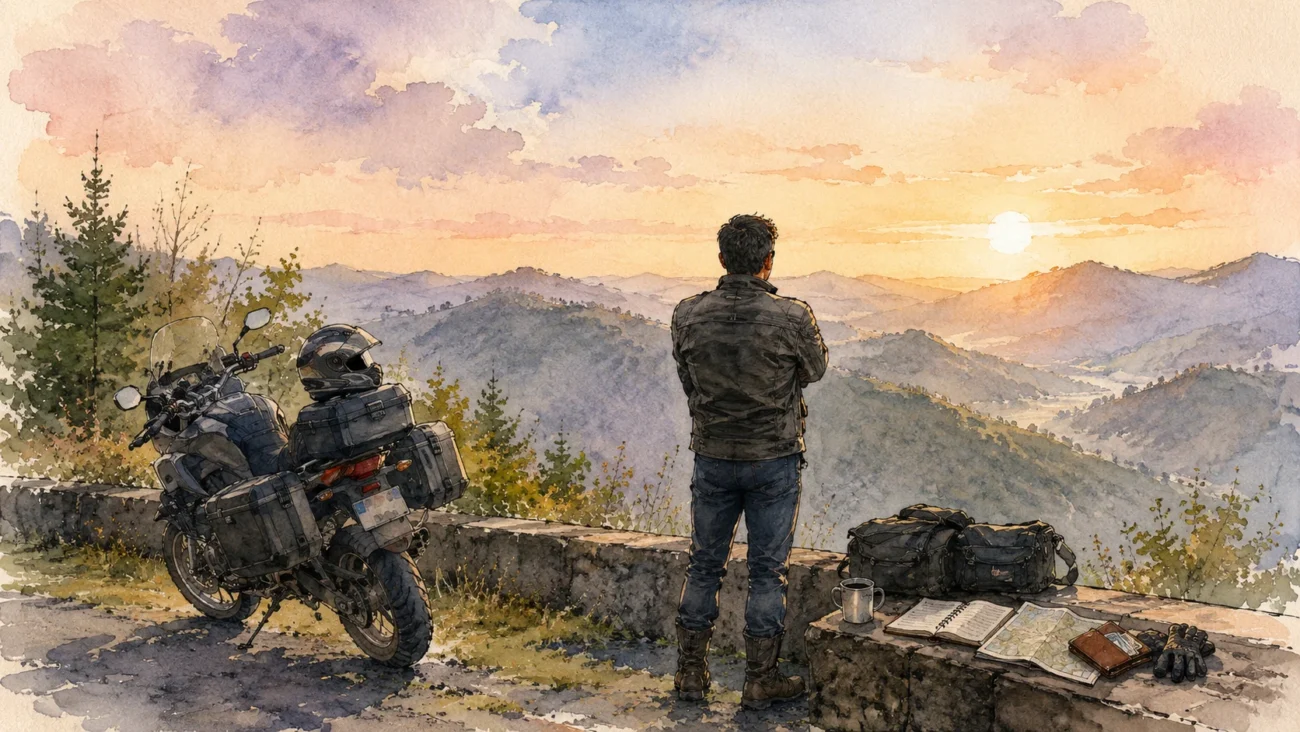
Beyond addressing safety concerns, it’s worth understanding the genuine value solo travel provides, since this context helps explain why pushing through initial resistance from others is often worth the effort for the right person.
Making every decision independently, from choosing restaurants to navigating unfamiliar transportation systems, builds a specific kind of self-trust and problem-solving confidence that’s difficult to replicate when traveling with others who share decision-making responsibility. This confidence often extends well beyond travel itself into other areas of daily life and decision-making.
| Solo Travel Skill Built | How It Extends Beyond Travel |
|---|---|
| Independent decision-making | Increased confidence in daily life choices |
| Problem-solving in unfamiliar situations | Improved resourcefulness during unexpected challenges |
| Comfort with solitude | Reduced anxiety about being alone in general |
| Trusting your own judgment | Increased self-reliance in other areas of life |
How To Prepare Financially For A Solo Trip Without Overspending
Financial planning deserves specific attention for solo trips, since costs work differently without the ability to split accommodation, transportation, and other expenses with travel companions.
Research accommodation options specifically designed for solo travelers, like hostels with private rooms or short-term rentals with lower solo occupancy rates, since standard hotel pricing often assumes double occupancy and can make solo travel disproportionately expensive if not researched carefully. Budget realistically for the specific loneliness-reducing activities mentioned earlier, like occasional group tours, since these add genuine value to the overall experience.
| Financial Consideration | Practical Solo Travel Approach |
|---|---|
| Accommodation costs | Research solo-friendly options like hostels with private rooms |
| Group tour costs | Budget for occasional social activities as genuine value additions |
| Transportation costs | Research whether solo-friendly passes or options exist for your destination |
| Emergency fund | Keep accessible emergency funds separate from your main travel budget |
What To Pack Specifically For Solo Travel Peace Of Mind
While general packing advice applies to any trip, a few specific items genuinely matter more for solo travelers, both for practical safety and general peace of mind throughout the trip.
A portable charger ensures your phone remains functional for navigation, communication, and emergency use even during long days away from charging outlets. A physical, printed copy of key information, including accommodation addresses and emergency contacts, provides backup if your phone becomes unavailable for any reason.
| Solo Travel Packing Priority | Why It Matters More For Solo Travelers |
|---|---|
| Portable phone charger | Ensures constant access to navigation and communication |
| Printed backup of key information | Provides backup if phone becomes unavailable |
| A doorstop or portable door lock | Adds extra security in accommodation, especially budget options |
| A small first aid kit | Reduces reliance on finding help for minor issues |
How To Talk To Your Family Throughout The Trip, Not Just Before It
The conversation about solo travel safety doesn’t end once you’ve booked the trip and departed, ongoing communication throughout the actual travel period plays a significant role in easing family concern and maintaining your own support system.
Establishing a clear, agreed-upon communication schedule before departure, rather than leaving it vague, prevents both your own guilt about not checking in enough and your family’s anxiety about not hearing from you as often as they’d like.
| Communication Approach | Why It Helps |
|---|---|
| Agreeing on check-in frequency before departure | Sets clear, mutual expectations upfront |
| Sharing brief updates rather than constant detailed reports | Balances connection with maintaining your independence |
| Being honest about minor challenges, not just highlights | Builds genuine trust rather than a falsely perfect narrative |
| Having a clear emergency contact protocol | Provides reassurance without requiring constant check-ins |
Why Some Pushback Comes From People Who’ve Never Actually Traveled Solo
It’s worth recognizing directly that a significant portion of pushback against solo travel comes specifically from people who have never attempted it themselves, meaning their concerns, while genuinely felt, aren’t necessarily informed by actual firsthand experience with what solo travel genuinely involves.
This doesn’t mean their concern isn’t valid as an emotion, but it does mean their specific advice about solo travel logistics or safety may be less reliable than advice from someone who has genuinely done it themselves, which is worth keeping in mind when weighing different sources of input.
| Source Of Pushback | Reliability Of Specific Advice |
|---|---|
| Family member who has never traveled solo | Emotionally valid concern, less reliable practical advice |
| Experienced solo traveler friend | Emotionally supportive and practically informed advice |
| General social media commentary | Often reflects broad anxiety rather than specific expertise |
| Official travel advisory sources | Reliable, specific, and regularly updated information |
Frequently Asked Questions
Is solo travel actually more dangerous than traveling with other people?
Ans: Generally, no, solo travel isn’t inherently more dangerous, specific risky behaviors and destination choices matter far more than whether you’re traveling alone or with companions.
How do I respond when family members keep bringing up safety concerns even after I’ve explained my preparation?
Ans: Continue calmly acknowledging their care while confidently sharing your specific preparation, understanding that repeated concern often comes from genuine love rather than doubt in your capability.
What’s the best destination for a genuine first solo trip?
Ans: Look for destinations with a strong existing culture of solo tourism, reliable infrastructure, and language accessibility for you specifically, since this eases the learning curve before attempting more complex destinations later.
How often should I check in with family during a solo trip?
Ans: Establish a clear, mutually agreed-upon schedule before departure, whether daily or every few days, rather than leaving expectations vague, which reduces anxiety on both sides.
Is it normal to feel lonely during solo tramily since they’ve never traveled solo themselves?
Ans: Not entirely, since their concern for you is genuine, but weigh their specific practical advice against more informed sources like actual solo traveler experiences and official travel advisories for your destination.
What’s the single most important safety habit for solo travelers?
Ans: Trusting your instincts in the moment, without needing to justify leaving an uncomfortable situation, consistently proves more valuable than any specific gadget or checklist item according to experienced solo travelers.