


There’s a moment some people can point to years into a relationship where they look around and realize they can’t remember the last time they did something just for themselves Compromise And Slowly Disappearing is healthy when both people adjust fairly, but it becomes painful when one person slowly gives up their needs, voice, and identity. Not one big dramatic event, just a slow accumulation of small moments where they said “sure, whatever works for you” one too many times. That’s not compromise. That’s disappearing, and it happens so gradually that most people don’t notice until they’re already gone.
This article breaks down the real difference between healthy compromise and the slow erosion of self that can look almost identical from the outside, why this pattern is so hard to catch while it’s happening, and how to tell which one is actually happening in your own relationship.
Why These Two Things Get Confused So Easily
Compromise and disappearing both involve giving something up. Both can look like flexibility, generosity, and putting your partner’s needs first. This surface similarity is exactly why so many people don’t realize which one they’re actually doing until real damage has been done.
The key difference isn’t visible from the outside at all. It’s about what’s happening internally, whether both people are genuinely giving something up together, or whether one person keeps giving while the other keeps receiving without much awareness that anything is being sacrificed.
| What Compromise Looks Like | What Disappearing Looks Like |
|---|---|
| Both people give something up | One person consistently gives, the other consistently receives |
| Feels balanced over time | Feels one-sided, even if it’s never said out loud |
| Both needs get considered | One person’s needs quietly stop being mentioned |
| A conscious, mutual decision | A gradual, often unconscious pattern |
A couples therapist who has worked with long-term relationships for over fifteen years described this confusion clearly: “Clients often tell me they’ve ‘compromised so much’ in their relationship, and when we look closely, what actually happened is one person slowly stopped voicing their preferences altogether. That’s not compromise, that’s erosion, and it usually feels the same as compromise until you really examine it.”
What Real Compromise And Slowly Disappearing Actually Requires
Genuine compromise has a few specific ingredients that distinguish it clearly from just going along with things to avoid friction. Understanding these ingredients makes it much easier to spot the difference in your own relationship.
Real compromise requires that both people actually voice their preference first, rather than one person guessing what the other wants and simply agreeing without stating their own position. It also requires a rough sense of balance over time, where sometimes you get your way and sometimes your partner does, rather than a consistent pattern favoring one person.
| Ingredient of Real Compromise | Why It Matters |
|---|---|
| Both people state their actual preference | Ensures a genuine choice is being made, not a guess |
| Rough balance over time | Prevents one person from constantly sacrificing |
| Conscious agreement, not silent assumption | Confirms both people actually chose the outcome |
| Occasional negotiation, not automatic agreement | Signals both voices are genuinely being considered |
The Quiet Signs That You Might Be Disappearing Instead
Since this pattern builds so gradually, it helps to have specific signs to watch for, rather than relying on a vague feeling that something might be off.
You might notice you’ve stopped suggesting restaurants because your partner always has a preference, or you’ve stopped mentioning your own plans because it’s easier to just follow theirs. You might realize you can’t remember the last time you picked the movie, planned the trip, or voiced disagreement about something that actually mattered to you.
- You’ve stopped suggesting things because it’s easier to just go along
- You can’t remember your last genuine preference being the deciding factor
- You feel a small flicker of guilt even considering asking for something you want
- Your friends have mentioned you seem quieter or different than you used to be
- You’ve started saying “I don’t care” about things you actually do care about
| Sign | What It Often Reveals |
|---|---|
| Stopped suggesting things | Learned that suggestions rarely get chosen anyway |
| Can’t remember your last real preference winning out | A long pattern of one-sided decision-making |
| Guilt around asking for what you want | Internalized belief that your needs are less important |
| Friends noticing you seem different | Outside perspective catching what you’ve missed internally |
| Saying “I don’t care” reflexively | A learned habit of avoiding your own preferences entirely |
Why This Pattern Happens So Gradually
Nobody wakes up one day and decides to disappear from their own relationship. This pattern builds through hundreds of small, individually reasonable-seeming moments that accumulate without anyone noticing the total effect.
Each single moment of going along with something instead of voicing a preference feels harmless and even generous in isolation. It’s only the accumulation over months and years that creates real imbalance, which is exactly why it’s so hard to catch while it’s happening.
| Individual Moment | Why It Feels Harmless Alone |
|---|---|
| Letting your partner pick dinner tonight | One dinner choice genuinely doesn’t matter much |
| Going to their family event instead of yours | One event feels like a reasonable, kind gesture |
| Not mentioning you’re tired of a certain routine | One instance of staying quiet seems minor |
| Agreeing to their weekend plan over yours | One weekend rarely feels like a big deal |
A relationship researcher who studies long-term partnership dynamics explained why this accumulation is so dangerous: “The math of relationships isn’t about any single decision, it’s about the pattern across hundreds of decisions. A person can point to any individual moment and honestly say ‘that one didn’t matter much,’ while missing that the same choice repeated for three years has completely reshaped who gets to have a voice in the relationship.”
The Difference Between Flexibility and Self-Erasure
Being flexible is a genuinely valuable trait in relationships. The problem isn’t flexibility itself, it’s when flexibility becomes a one-way pattern rather than something both people practice toward each other.
Healthy flexibility means being willing to adjust sometimes, while still maintaining a clear sense of your own preferences and voicing them regularly. Self-erasure means your own preferences have gradually stopped showing up in the relationship at all, replaced entirely by adapting to whatever your partner wants.
| Healthy Flexibility | Self-Erasure |
|---|---|
| Willing to adjust sometimes | Consistently adjusting, without exception |
| Still voices personal preferences regularly | Has largely stopped voicing preferences |
| Feels like a choice each time | Feels like the only available option |
| Both people practice this toward each other | Only one person consistently adapts |
Why People Don’t Notice They’re Disappearing Until It’s Significant
This pattern is genuinely hard to catch early, and there are clear psychological reasons why most people don’t notice until the imbalance has become quite significant.
Our brains are wired to adjust to gradual change far more easily than sudden change, a concept sometimes called the boiling frog effect in casual conversation, though the actual biology behind frogs is more complicated than the metaphor suggests. The relevant point holds up well for relationships though, since slow, incremental shifts genuinely are much harder to notice than sudden ones.
| Sudden Change | Gradual Change |
|---|---|
| Immediately noticeable and alarming | Barely noticeable at each individual step |
| Triggers an obvious reaction | Rarely triggers any reaction at all |
| Easy to identify the cause | Hard to trace back to any single moment |
| Prompts quick correction | Often continues unchecked for years |
How This Pattern Often Starts With Good Intentions
It’s worth being clear that this pattern rarely starts from a place of manipulation or bad intent. Most of the time, it begins with genuinely kind, generous impulses that simply never got balanced out over time.
Someone might genuinely enjoy making their partner happy, and that impulse, repeated often enough without an equal amount of consideration flowing back the other way, slowly becomes a one-sided pattern rather than the mutual give and take it started as.
| Starting Intention | How It Can Quietly Shift Over Time |
|---|---|
| Wanting to make a partner happy | Becomes an automatic, unreciprocated habit |
| Avoiding unnecessary conflict | Becomes avoiding voicing any preference at all |
| Being naturally easygoing | Becomes having no voice in decisions at all |
| Prioritizing harmony early on | Becomes consistently prioritizing harmony over honesty |
Common Mistakes People Make Trying to Fix This Pattern
Once someone recognizes they’ve been disappearing rather than genuinely compromising, a few common mistakes can make the correction process harder than it needs to be.
One frequent mistake is overcorrecting suddenly, swinging from constant accommodation to suddenly refusing to compromise on anything, which can feel jarring and confusing for both partners. Another common mistake is expecting your partner to notice the shift immediately and adjust perfectly, without clearly communicating what’s actually changing and why.
- Overcorrecting suddenly from total accommodation to total rigidity
- Expecting your partner to notice and adjust without clear communication
- Feeling guilty for finally voicing preferences after years of silence
- Bringing up years of accumulated resentment all at once
- Assuming your partner intentionally caused the imbalance, rather than it building gradually
| Mistake | Better Approach |
|---|---|
| Sudden overcorrection | Gradual, clear reintroduction of your own preferences |
| Expecting silent understanding | Directly explaining what you’re working on changing |
| Guilt over voicing needs after silence | Recognizing this as a healthy, overdue correction |
| Dumping years of resentment at once | Addressing the pattern calmly, focusing on moving forward |
| Assuming intentional harm | Recognizing this often builds unconsciously on both sides |
How to Start Reclaiming Your Voice Without Blowing Up the Relationship
If you recognize this pattern in yourself, the goal isn’t a dramatic confrontation. It’s a gradual, consistent shift toward voicing your actual preferences again, starting with smaller, lower stakes situations.
Begin by simply stating a genuine preference on something small, like where to eat or what to watch, rather than automatically deferring like you might have done before. Notice how it feels, and notice how your partner responds, since this will give you useful information about how receptive they are to the shift.
| Starting Point | Why It Works Well |
|---|---|
| Voicing a preference on something small | Lower stakes, easier practice |
| Noticing your own reaction | Builds awareness of old automatic patterns |
| Noticing your partner’s response | Reveals how receptive they are to change |
| Gradually increasing to bigger topics | Builds confidence and consistency over time |
A therapist who specializes in helping clients rebuild self-assertiveness in relationships shared a helpful starting exercise: “I ask clients to pick one small decision each week, just one, and consciously voice their actual preference instead of automatically deferring. It sounds almost too simple, but for someone who has been quietly disappearing for years, even this small practice can feel surprisingly significant.”
What a Healthy Response From Your Partner Looks Like
As you start voicing preferences again, your partner’s reaction tells you a lot about whether the previous imbalance was an unconscious pattern both of you can correct together, or something more concerning.
A healthy, supportive response involves genuine curiosity and willingness to adjust, even if it takes a little getting used to. A concerning response involves resistance, dismissiveness, or subtly punishing you for finally voicing your own needs after a long period of silence.
| Healthy Partner Response | Concerning Partner Response |
|---|---|
| Genuine curiosity about the change | Dismissing or minimizing your new preferences |
| Willingness to adjust, even if imperfectly | Resistance or annoyance at the shift |
| Appreciation for your honesty | Subtle punishment for finally speaking up |
| Effort to rebalance decisions together | Continued expectation that you’ll defer as before |
Why This Pattern Shows Up More in Certain Personality Types
While this pattern can happen to anyone, certain personality traits and upbringing experiences make some people more prone to slowly disappearing in relationships than others.
People who were raised in environments where keeping the peace was highly valued, or where their own needs were treated as less important than others’, often carry this pattern into adult relationships without realizing it. People who naturally avoid conflict or who have a strong desire to be seen as easygoing are also more susceptible to this gradual erosion.
| Background or Trait | Why It Increases the Risk |
|---|---|
| Raised in a “keep the peace” household | Learned early that voicing needs causes conflict |
| Strong conflict avoidance tendency | Prefers silence over potential disagreement |
| Desire to be seen as easygoing | Ties self-worth to never causing friction |
| History of previous relationships where voicing needs backfired | Learned caution around expressing preferences |
How to Tell the Difference When You’re Deep Inside the Relationship
Since this pattern is so hard to see from the inside, having a few concrete exercises can help you get real clarity, rather than relying purely on a vague gut feeling.
Try mentally reviewing the last ten decisions made in your relationship, from small things like meals to bigger things like weekend plans, and honestly note whose preference won out each time. If the same person’s preference consistently wins across nearly all ten, that’s a meaningful signal worth paying attention to, regardless of how either of you might explain it away individually.
| Exercise | What It Reveals |
|---|---|
| Reviewing the last ten decisions | Shows the actual pattern, not just individual moments |
| Noting who suggested versus who agreed | Reveals whose voice is actually shaping outcomes |
| Considering how often you’ve said “I don’t care” | Highlights how often your genuine preference goes unstated |
| Asking a trusted friend for outside perspective | Provides a less biased view of the pattern |
Why Some Disappearing Is Actually Mutual
It’s worth acknowledging that sometimes both partners are quietly disappearing in different areas, rather than it always being one person consistently giving in across the board. This version can be even harder to spot, since each person might feel like they’re the one sacrificing more.
One partner might be disappearing around social decisions, always following the other’s lead on friends and events, while the other partner is disappearing around household or financial decisions, always deferring in that separate area. Both people can feel like they’re the one compromising more, missing that they’ve each quietly given up their voice in different domains.
| Partner One’s Pattern | Partner Two’s Pattern |
|---|---|
| Always defers on social plans and friendships | Always defers on financial or household decisions |
| Feels like they’ve given up their social voice | Feels like they’ve given up their practical voice |
| Doesn’t notice the other’s separate erosion | Doesn’t notice the other’s separate erosion |
| Both feel like the primary compromiser | Neither recognizes the other’s quiet sacrifice |
What To Do If You Realize You’ve Been the One Receiving, Not Giving
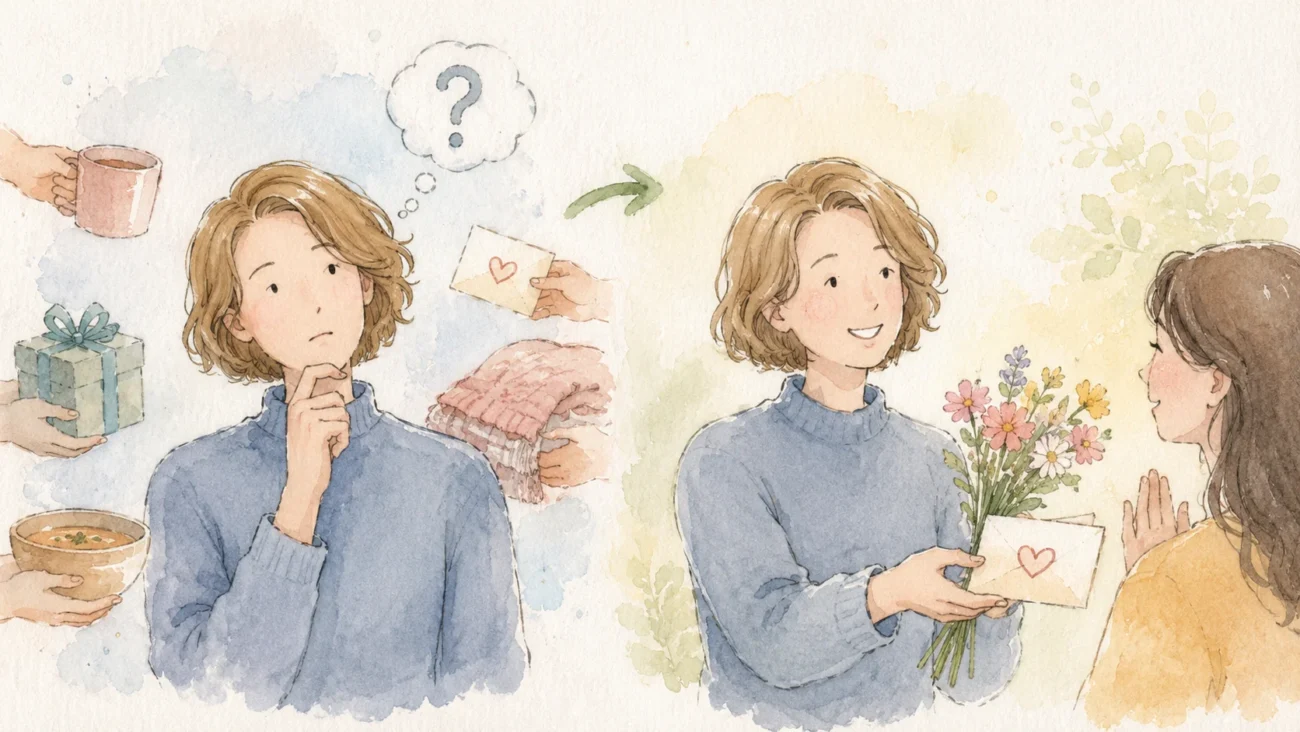
If you recognize that you’ve actually been on the receiving end of this pattern, consistently getting your way while your partner quietly adapted, it’s worth approaching this realization with genuine curiosity rather than defensiveness or guilt.
Start by directly asking your partner about decisions from the past, genuinely inviting them to share if they’ve been holding back preferences to keep things easy. Listen without getting defensive, since this conversation likely took real courage for them to have, especially after a long pattern of staying quiet.
| Old Pattern | New Approach |
|---|---|
| Assuming your partner’s silence meant agreement | Directly asking if they’ve been holding back |
| Getting defensive if past patterns are pointed out | Listening with genuine curiosity and openness |
| Continuing to make most decisions by default | Actively inviting their input more consistently |
| Assuming things are fine because there’s no visible conflict | Recognizing that silence isn’t the same as satisfaction |
Why Waiting Too Long to Address This Makes It Harder to Fix
The longer this pattern continues unaddressed, the harder it becomes to correct, since both people gradually adjust to an imbalance that starts to feel normal, even though it isn’t healthy for either person involved.
A person who has quietly deferred for ten years often has a much harder time reclaiming their voice than someone who catches the pattern after just one year, simply because the habit has had far more time to become deeply automatic and comfortable, even if it’s not genuinely making them happy.
| Caught Early | Left Unaddressed for Years |
|---|---|
| Easier to reintroduce genuine preferences | Requires much more deliberate, sustained effort |
| Less built-up resentment | Significant accumulated frustration to work through |
| Partner adjusts more naturally | Partner may be more resistant to a sudden shift |
| Feels like a small correction | Feels like a major relationship shift |
Frequently Asked Questions
How do I know if I’m genuinely compromising or slowly disappearing?
Ans: Look at the pattern over time rather than any single decision. If your actual preferences consistently lose out across most decisions, that’s a sign of disappearing rather than balanced compromise.
Is it normal for one partner to be more flexible than the other sometimes?
Ans: Yes, occasional imbalance is completely normal, but a consistent, long-term pattern where one person almost always defers is different from natural, situational flexibility.
What if I realize I’ve been the one my partner has been deferring to?
Ans: Approach this with curiosity rather than guilt, directly ask your partner about past decisions, and genuinely invite more of their input going forward without becoming defensive.
Will voicing my preferences again after years of silence cause conflict?
Ans: It might create some initial adjustment, especially if your partner has gotten used to the previous pattern, but a healthy partner will generally respond with curiosity and willingness to rebalance together.
Can both partners be disappearing in different areas of the relationship?
Ans: Yes, this happens more often than people realize, where each partner defers in a separate area, like social plans versus financial decisions, making the overall pattern harder to notice from either side.
Why does this pattern often go unnoticed for so long?
Ans: Because it builds gradually through many small, individually reasonable moments rather than one obvious event, making it much harder to detect compared to a sudden, dramatic change.
Is this pattern a sign the relationship is doomed?
Ans: Not necessarily. Many couples successfully rebalance this pattern once they recognize it, especially when both partners approach the correction with honesty, patience, and genuine willingness to adjust together.