

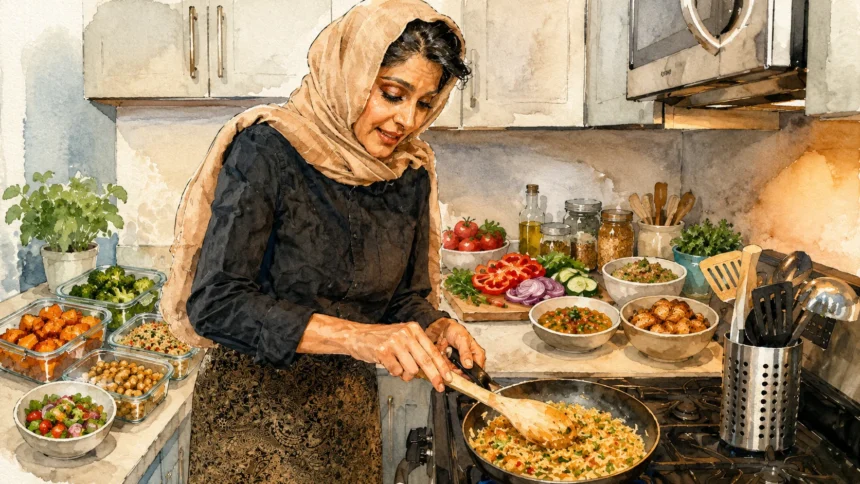
Batch Cook does not mean eating the same boring meal every day. With flexible bases, fresh toppings, and different sauces, one cooking session can create meals that feel different all week.
That is not a batch cooking problem. That is a planning problem. This article shows you exactly how to batch cook the smart way, so you get real variety, real flavor, and real time savings, without the boredom that usually kills the whole habit.
How To Batch Cook Without Eating The Same Meal Every Day
The biggest mistake people make with batch cooking is treating it like making one giant meal instead of making building blocks for several different meals.
When you cook one huge pot of the same dish, you are not batch cooking smartly. You are just making a large single meal and stretching it out through the week, flavor and texture staying exactly the same each time.
Here is what that pattern usually looks like.
| Day | What Happens | How It Feels |
|---|---|---|
| Day 1 | Fresh meal, tastes great | Excited about batch cooking |
| Day 2 | Same meal, still fine | Slightly less excited |
| Day 3 | Same meal again | Bored, texture feels tired |
| Day 4 | Same meal, appetite dropping | Considering ordering food instead |
| Day 5 | Same meal, barely finished | Batch cooking labeled “not for me” |
This pattern repeats for almost everyone who tries the “one big pot” method. The fix is not eating less food or forcing yourself through boredom. The fix is changing how you batch cook in the first place.
A home cook who Batch cooks every Sunday for her family of four told me the moment she switched from “one dish repeated” to “parts I mix together,” her kids stopped complaining about lunch leftovers completely.
Planning Your Week Before You Even Turn On The Stove
Good batch cooking starts before any cooking happens. A few minutes of planning saves you from the boring trap almost every single time.
Ask yourself these simple questions before shopping:
- What two or three proteins do I actually enjoy eating multiple times a week?
- What flavors do I want this week, something like garlic and lemon, or something like soy and ginger?
- Do I want some meals warm and some cold, like a salad option?
- How many total meals am I actually cooking for, lunches, dinners, or both?
Once you know the answers, shopping and cooking become much easier, since you are shopping for a flexible system, not a fixed single recipe.
A Simple Weekly Planning Table
| Question | This Week’s Answer |
|---|---|
| Proteins chosen | Chicken thighs, chickpeas |
| Grains chosen | Rice, roasted potatoes |
| Vegetables chosen | Broccoli, bell peppers, spinach |
| Sauces or flavor bases | Garlic lemon sauce, spicy peanut sauce |
| Cold meal included? | Yes, one salad style lunch |
Notice how this table does not describe finished meals yet. It describes parts. The finished meals get decided later, based on mood, which is exactly what keeps things interesting.
The Real Secret: Cook Components, Not Finished Meals
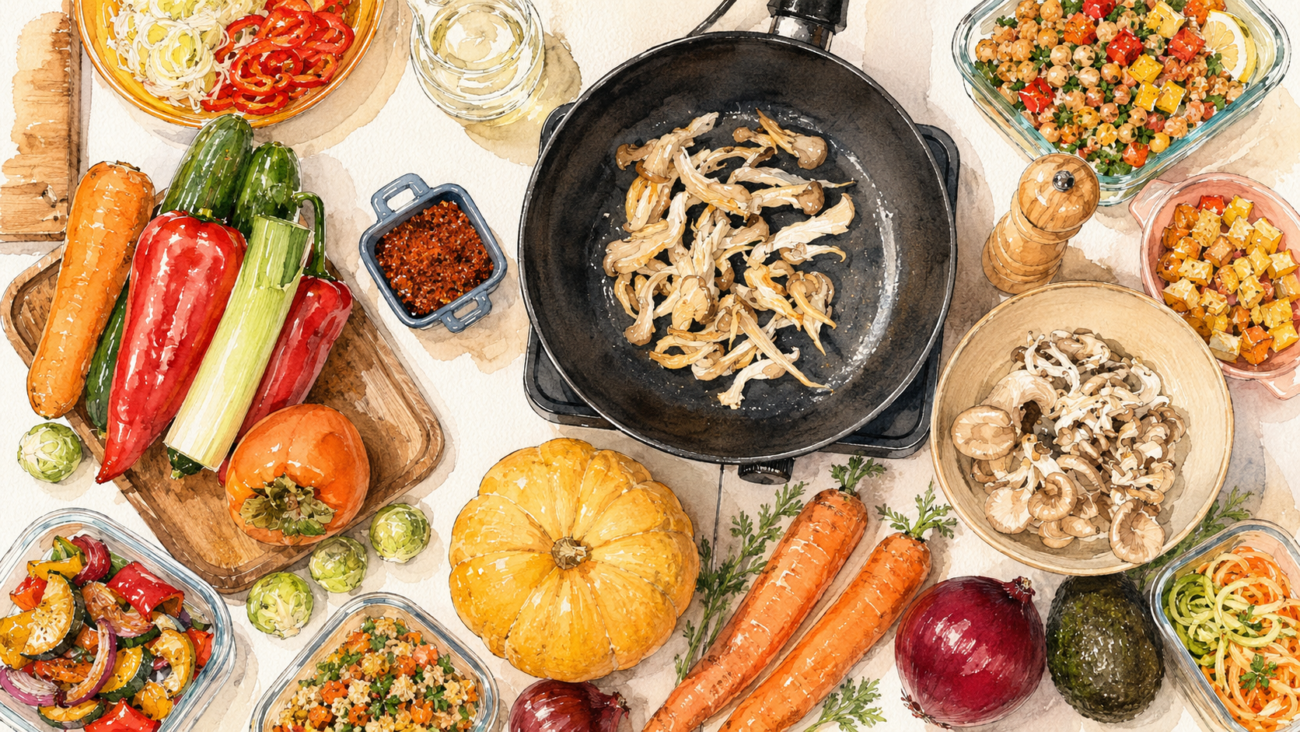
The people who actually stick with batch cooking long term rarely cook five identical meals. Instead, they cook separate parts, proteins, grains, vegetables, and sauces, then combine them differently each day.
This single shift is the entire secret behind avoiding the sad five day meal problem.
- Cook two or three proteins, not just one
- Cook two different grains or starches
- Roast or steam a mix of vegetables, not just one type
- Make two different sauces or flavor bases
When you mix and match these building blocks, five days can feel like five completely different meals, even though your actual cooking time stayed the same as making one big dish.
Table: One Big Meal Versus Component Cooking
| One Big Meal Method | Component Method |
|---|---|
| Same taste every day | Different combinations daily |
| Boredom by day 3 | Variety through the whole week |
| One protein, one starch, one flavor | Multiple proteins, starches, and flavors |
| Feels like eating leftovers | Feels like a freshly made meal each time |
Choosing Two Proteins Instead Of One
This is probably the single biggest upgrade you can make to your batch cooking routine. One protein repeated five times is tiring. Two proteins, rotated across the week, feels completely different.
Good protein pairs to try together:
- Chicken thighs and chickpeas, one animal based, one plant based
- Ground beef and baked tofu, for very different textures
- Shredded pork and black beans, good for wraps and bowls
- Baked salmon and hard boiled eggs, lighter option paired with a heartier one
You do not need exotic ingredients. The point is contrast, not complexity. Two proteins with different textures and flavors instantly make your week feel less repetitive.
| Protein Pair | Why It Works Well |
|---|---|
| Chicken and chickpeas | Different textures, both mix well with many sauces |
| Beef and tofu | Strong contrast in taste and texture |
| Pork and beans | Great for wraps, bowls, and tacos |
| Salmon and eggs | Light and heavy option side by side |
Cooking Two Grains Or Starches, Not Just One
Rice alone, every single day, gets old fast. Having two starch options waiting in your fridge changes the entire feel of your meals without much extra effort.
Simple pairs that batch cook well together:
- White rice and roasted potatoes
- Quinoa and whole wheat pasta
- Sweet potato cubes and plain couscous
- Brown rice and tortillas for wraps
Cooking two starches at once usually adds only ten to fifteen minutes total, since most starches can cook while you are handling something else on the stove or in the oven.
Table: Starch Pairing Ideas
| Starch One | Starch Two | Best Used With |
|---|---|---|
| White rice | Roasted potatoes | Chicken, beef, most sauces |
| Quinoa | Pasta | Chickpeas, tofu, vegetable heavy meals |
| Sweet potato | Couscous | Pork, beans, Mediterranean style flavors |
| Brown rice | Tortillas | Wraps, bowls, taco style meals |
Roasting A Real Mix Of Vegetables
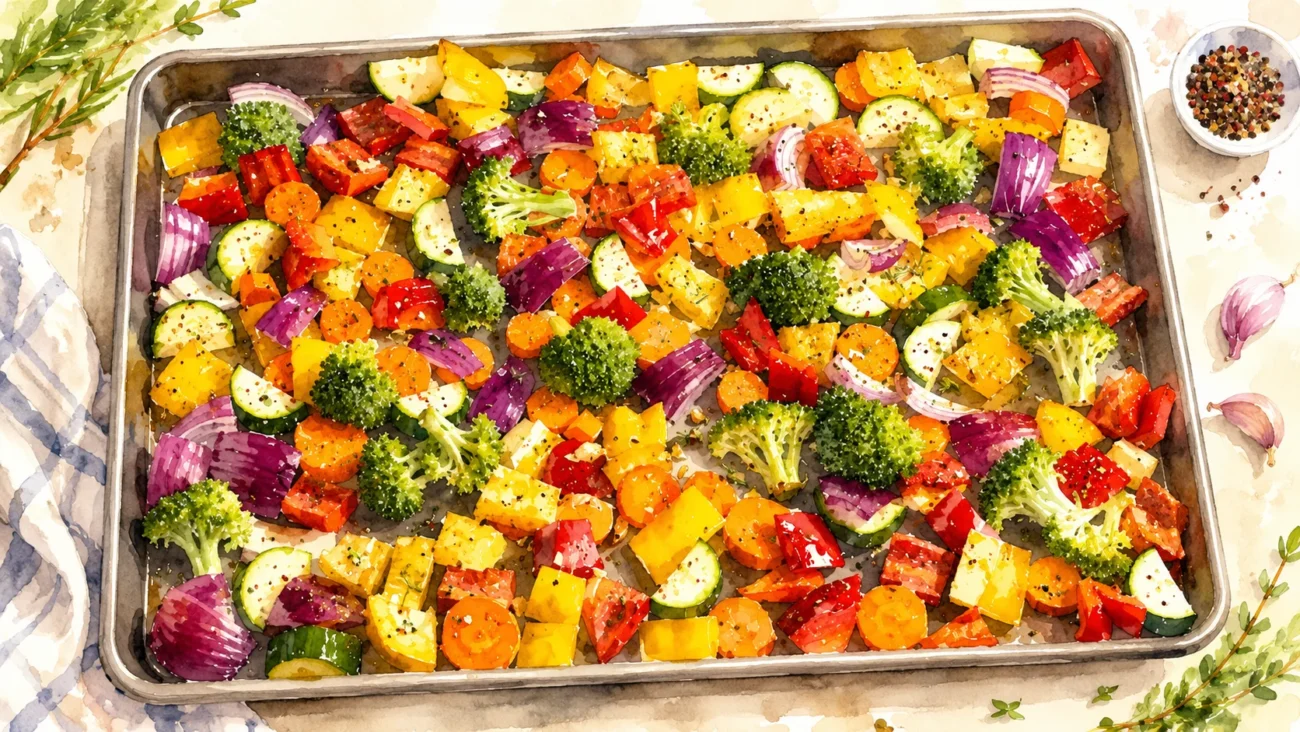
Vegetables are usually the part people batch cook the laziest way, one type, roasted plain, repeated all week. This is an easy fix with a big reward.
Try roasting three or four different vegetables on one large tray, each in its own section, so they finish cooking at roughly the same time but keep their own individual flavor.
- Broccoli and bell peppers, roughly the same cooking time
- Zucchini and cherry tomatoes, both cook fast
- Carrots and Brussels sprouts, both need a bit longer
- Spinach, added fresh at the end, no roasting needed
A useful tip here: group vegetables by cooking time, not by type. Soft vegetables like zucchini and tomatoes cook fast and burn easily if left in too long with harder vegetables like carrots or potatoes.
Vegetable Cooking Time Table
| Vegetable | Approximate Roast Time | Group With |
|---|---|---|
| Broccoli | 20 minutes | Bell peppers |
| Bell peppers | 20 minutes | Broccoli |
| Zucchini | 15 minutes | Cherry tomatoes |
| Carrots | 25 to 30 minutes | Brussels sprouts |
| Spinach | No roasting needed | Add fresh at serving |
The Sauce Trick That Changes Everything
This is the part most batch cooking guides skip completely, and it is honestly the most important one. The same protein and starch, with a different sauce, can taste like a completely different meal.
Make two sauces at the start of the week, each taking under five minutes, and store them separately.
- A garlic lemon sauce, good with chicken, rice, and most vegetables
- A spicy peanut sauce, good with tofu, noodles, and roasted vegetables
- A simple yogurt herb sauce, good as a cold topping for warm bowls
- A soy ginger sauce, good for beef, pork, or rice based meals
The same roasted chicken can taste completely different on Monday with garlic lemon sauce compared to Thursday with soy ginger sauce, even though the chicken itself was cooked exactly once.
| Sauce | Best Paired With | Prep Time |
|---|---|---|
| Garlic lemon | Chicken, rice, most vegetables | Under 5 minutes |
| Spicy peanut | Tofu, noodles, roasted vegetables | Under 5 minutes |
| Yogurt herb | Cold topping for warm bowls | Under 5 minutes |
| Soy ginger | Beef, pork, rice dishes | Under 5 minutes |
Building Five Different Meals From The Same Ingredients
Here is where everything comes together. Using the same batch of proteins, starches, vegetables, and sauces, you can build five genuinely different feeling meals across the week.
| Day | Combination |
|---|---|
| Monday | Chicken, rice, broccoli, garlic lemon sauce |
| Tuesday | Chickpeas, sweet potato, spinach, yogurt herb sauce |
| Wednesday | Chicken, roasted potatoes, bell peppers, soy ginger sauce |
| Thursday | Chickpeas, couscous, carrots, spicy peanut sauce |
| Friday | Mix of both proteins in a wrap with tortillas, any leftover vegetables |
Notice that Monday and Wednesday both use chicken, but the starch, vegetable, and sauce are all different. That single change is often enough to make the meal feel new, even though the core protein repeats.
Common Mistakes That Kill Batch Cooking Motivation
Even with good intentions, certain habits quietly ruin the whole process. Here are the ones that come up most often.
| Mistake | Why It Fails | Fix |
|---|---|---|
| Cooking only one protein for the whole week | Guaranteed boredom by day 3 | Always cook at least two proteins |
| Using the same sauce or seasoning for everything | Every meal tastes identical despite different ingredients | Make two different sauces at minimum |
| Storing everything mixed together in one container | Cannot recombine ingredients differently later | Store components separately |
| Not labeling containers with dates | Forgetting what is fresh, wasting food | Label with the date cooked, every time |
| Batch cooking too much of one thing | Extra food goes to waste or gets forced down out of guilt | Cook slightly less than you think you need at first |
The container mistake is the one people underestimate the most. If your chicken, rice, and vegetables are all mixed together in one box from day one, you have basically pre-made five identical meals anyway, defeating the entire component method.
Why Storing Ingredients Separately Actually Matters
This might be the most overlooked detail in batch cooking. Storing components separately, rather than pre-assembled, is what gives you the freedom to combine them differently each day.
- Keep proteins in their own containers
- Keep each starch in its own container
- Keep vegetables separate from sauces, since sauces can make vegetables soggy if stored together too long
- Keep sauces in small jars or containers, since you only need a spoonful per meal
A nutrition coach who works with busy clients mentioned that the single biggest change she makes to her clients’ batch cooking habits is simply telling them to stop mixing everything into one container before storing it. That one small shift, she said, fixes most of the boredom complaints she hears.
Storage Table
| Component | Best Storage Method | Fridge Life |
|---|---|---|
| Cooked protein | Sealed container, own container | 4 days |
| Cooked grains | Sealed container, own container | 4 to 5 days |
| Roasted vegetables | Sealed container, own container | 3 to 4 days |
| Sauces | Small jar or container | 5 to 7 days |
How Much To Actually Cook, So Nothing Goes To Waste
A common batch cooking mistake is cooking too much, leading to waste, or too little, leading to running out mid week. Here is a simple way to estimate the right amount.
- Count how many meals you actually need, lunches and dinners combined
- Divide that number roughly in half between your two proteins
- Cook slightly less starch than protein, since starch is easy to supplement with bread or extra vegetables if you run short
- Vegetables can be cooked slightly generously, since they work in almost any combination
| Meals Needed This Week | Protein Amount | Starch Amount | Vegetable Amount |
|---|---|---|---|
| 5 meals | Split between 2 proteins, roughly 3 servings each | About 4 to 5 servings total | Slightly generous, about 6 servings |
Making Batch Cooking Fit A Busy Schedule
Not everyone has three free hours on a Sunday. Here is how to fit this method into a shorter window, without losing the variety benefit.
- Roast vegetables and cook grains at the same time, using oven and stovetop together
- Cook both proteins in the oven on separate trays, or one in the oven and one on the stove
- Make sauces while everything else is cooking, since most sauces just need mixing, not cooking
- Clean as you go, so the end of cooking does not turn into a separate hour of dishes
| Task | Time Needed | Can Overlap With |
|---|---|---|
| Roasting vegetables | 20 to 30 minutes | Cooking grains, making sauces |
| Cooking grains | 15 to 20 minutes | Roasting vegetables, cooking protein |
| Cooking protein | 20 to 30 minutes | Roasting vegetables, cooking grains |
| Making sauces | 5 minutes each | Anything cooking in oven or stovetop |
Done with real overlap, the whole process usually takes about 60 to 75 minutes total, not the three or four hours many people expect from batch cooking.
Adding Cold Meals Into The Mix
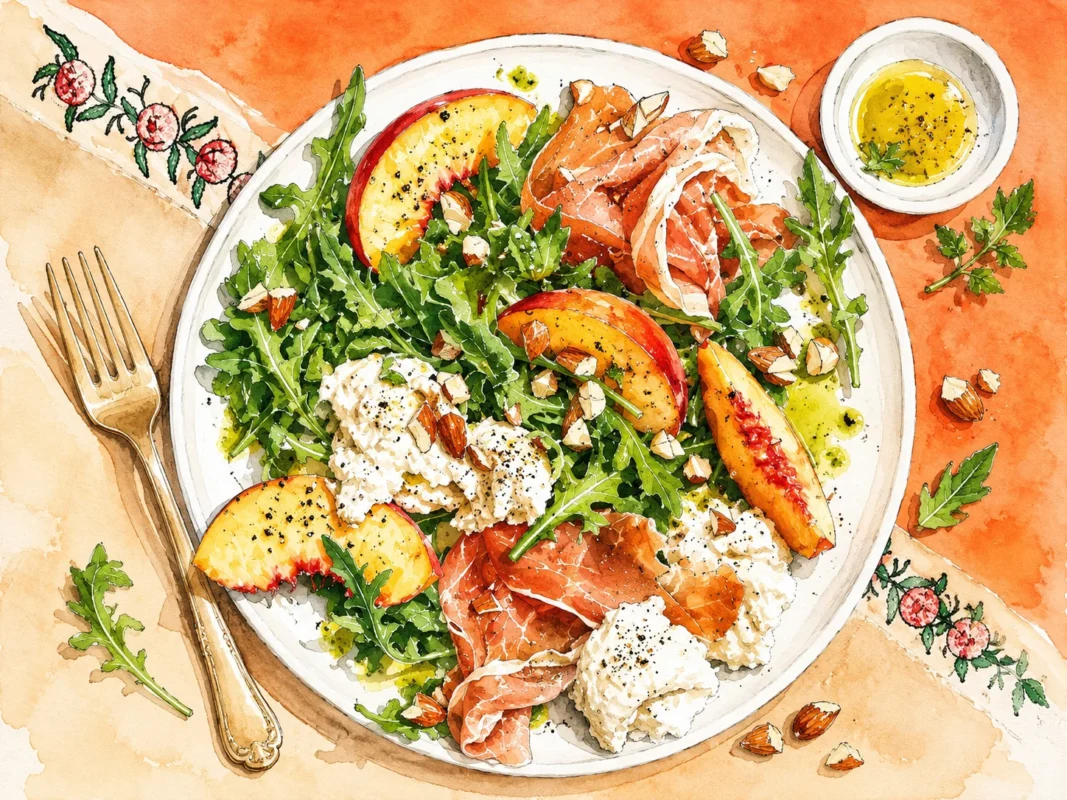
Not every batch cooked meal needs to be reheated. Adding at least one cold meal option, like a grain salad or a wrap, breaks up the week even further.
- A cold grain salad using quinoa, chickpeas, vegetables, and yogurt herb sauce
- A wrap using tortillas, shredded chicken, and spicy peanut sauce
- A simple bowl with cold roasted vegetables, a protein, and a drizzle of any sauce
Cold meals are also useful for very hot weather, or for days when reheating is not convenient, like a packed lunch at work with no microwave nearby.
| Cold Meal Idea | Main Ingredients |
|---|---|
| Grain salad | Quinoa, chickpeas, vegetables, yogurt herb sauce |
| Wrap | Tortilla, shredded chicken, spicy peanut sauce |
| Cold bowl | Roasted vegetables, protein, any sauce drizzle |
Real Feedback From People Who Switched To Component Batch Cooking
A software developer who used to batch cook the same pasta dish every week told me switching to separate components felt like more effort at first, but the boredom that used to make him order takeout by Thursday completely disappeared.
A busy parent mentioned that her kids actually started asking for “the peanut sauce one” or “the lemon chicken one,” treating each combination like its own separate meal, even though most of the ingredients were shared across the week.
A gym-focused batch cooker said the two protein method helped him hit his protein goals without feeling like he was eating the exact same thing at every meal, which had been his biggest complaint with batch cooking before.
Small Adjustments For Different Diets And Preferences
| Diet Or Preference | Adjustment |
|---|---|
| Vegetarian | Use tofu, chickpeas, lentils, and eggs as the two protein choices |
| Low carb focused | Swap one starch for extra roasted vegetables or cauliflower rice |
| Spice lovers | Make one sauce mild and one sauce spicy for contrast |
| Families with picky eaters | Keep sauces separate at serving time, so each person adds their own |
| Meal prepping for one person | Cook slightly smaller batches, but still keep two proteins and two sauces |
The core structure, two proteins, two starches, a mix of vegetables, and at least two sauces, stays the same no matter the diet. Only the specific ingredients change.
A Simple Batch Cooking Checklist
| Task | Done? |
|---|---|
| Chose two different proteins | |
| Chose two different starches | |
| Roasted at least three types of vegetables | |
| Made at least two different sauces | |
| Stored all components separately | |
| Planned five different combinations for the week |
Frequently Asked Questions
How many meals can I realistically get from one batch cooking session?
Ans: Most people get five to seven meals from one session, depending on portion sizes and how many people are eating. Using the component method, those meals can taste noticeably different from each other, even though they come from the same cooking session.
Do I need special containers for this method?
Ans: No special containers are required, but having separate containers for each component, rather than one big mixed container, makes a real difference in how easy it is to combine things differently each day.
What if I only have time to cook one protein this week?
Ans: One protein still works, but pair it with two different sauces and two different vegetable combinations to avoid the sad meal feeling. The sauce and vegetable variety can carry most of the flavor difference on their own.
How long do batch cooked meals actually stay fresh?
Ans: Most cooked proteins and grains stay fresh for about four days in the fridge, while roasted vegetables are best within three to four days. Sauces often last five to seven days if stored in a sealed container.
Can I freeze batch cooked components instead of just refrigerating them?
Ans: Yes, most proteins and grains freeze well in separate containers. Vegetables can lose some texture after freezing, so it is often better to roast a fresh small batch partway through the week if you plan to freeze the rest.
Is component batch cooking more expensive than making one big dish?
Ans: Not usually. Buying two proteins instead of one might cost slightly more, but the variety often means less food waste overall, since people are less likely to skip meals or throw away food they got bored of eating.
What if my family has very different taste preferences?
Ans: Keeping sauces separate and letting each person add their own is one of the easiest ways to handle different preferences without cooking separate meals for each person.
How do I keep vegetables from turning soggy by the end of the week?
Ans: Store vegetables separately from sauces, and add sauce only right before eating rather than mixing it in ahead of time. This single habit keeps vegetables firmer for much longer during the week.